
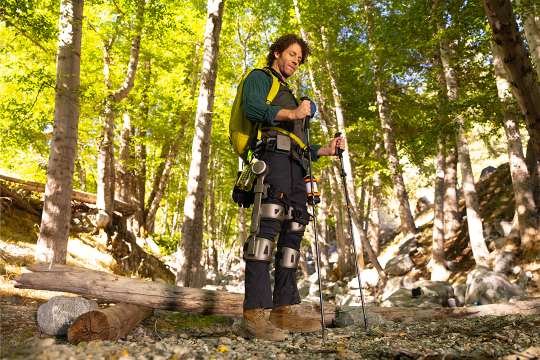
The Kickstarter darling is growing up with a new high-performance “Ultra” hip module and a much-needed shot of polish.
If you’ve spent any time trekking through the more adventurous corners of Kickstarter lately, you’ve likely seen Ascentiz. The company made waves with its modular hip-and-knee (H+K) exoskeleton, promising to turn weekend hikers into bionic trailblazers. Now, the company is heading to CES 2026 to show off the production-ready version of the H+K system and a brand-new, high-performance sibling: the Ascentiz-H Ultra.
Modularity is the Name of the Game
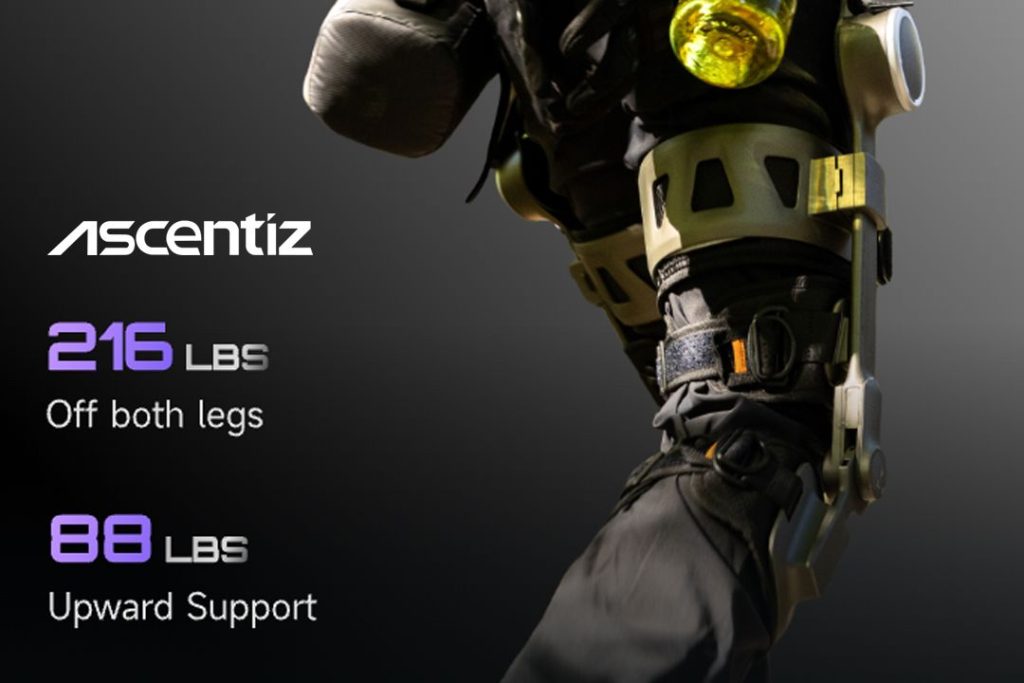
The “secret sauce” here remains the modularity. Instead of a rigid, one-size-fits-all frame, Ascentiz uses a “snap-in” system. Want explosive power for a steep summit? Snap on the H (Hip) module. Need to save your joints during a gruelling downhill descent or a long day on the CES show floor? Switch to the K (Knee) module.
The new H Ultra module is designed specifically for the “heavy lifters”—think heavy-load rucking, steep mountaineering, and endurance-intensive outdoor sports.
From Crowdfunding to Prime Time
Moving from a prototype to a retail product usually means refinement, and Ascentiz hasn’t been shy with the upgrades. The production H+K system features a “raft of enhancements” based on backer feedback:
-
Better Brains: Optimised algorithms for smoother, more natural-feeling assistance.
-
The “Glove” Factor: A new 1-second power switch designed to be operated even when you’re wearing heavy winter gear.
-
Creature Comforts: 40% more padding using eco-friendly memory foam.
-
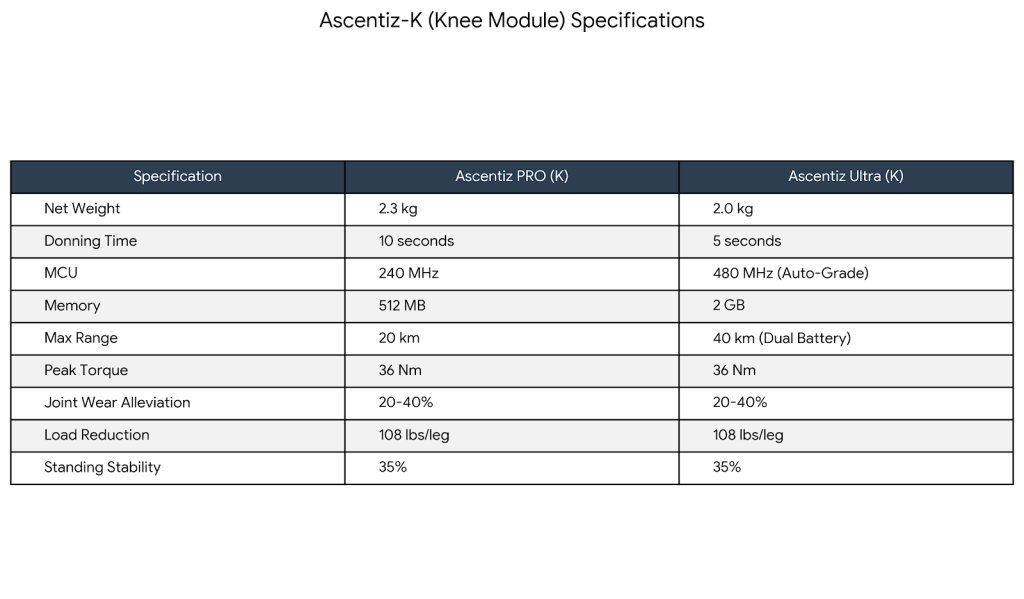
The Slim-Down: The Knee module has seen a massive 46% reduction in size, making it much easier to toss into a carry-on.
-
Field Repairability: The cable-drive mechanism now uses a Dyneema tendon system that users can replace themselves if it snaps in the wild.
The Specs
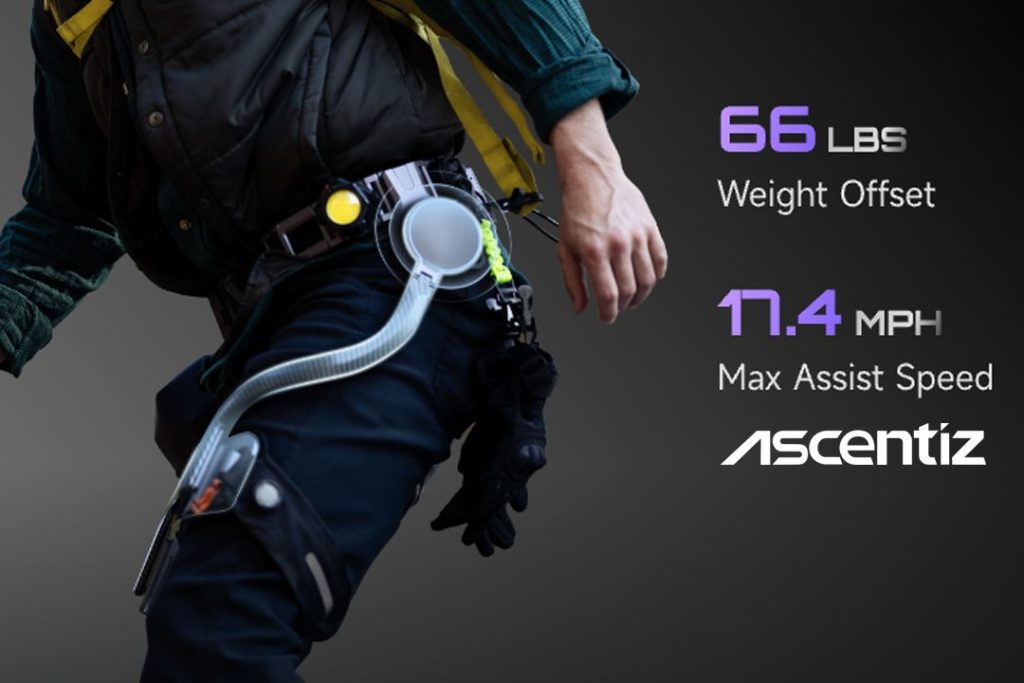
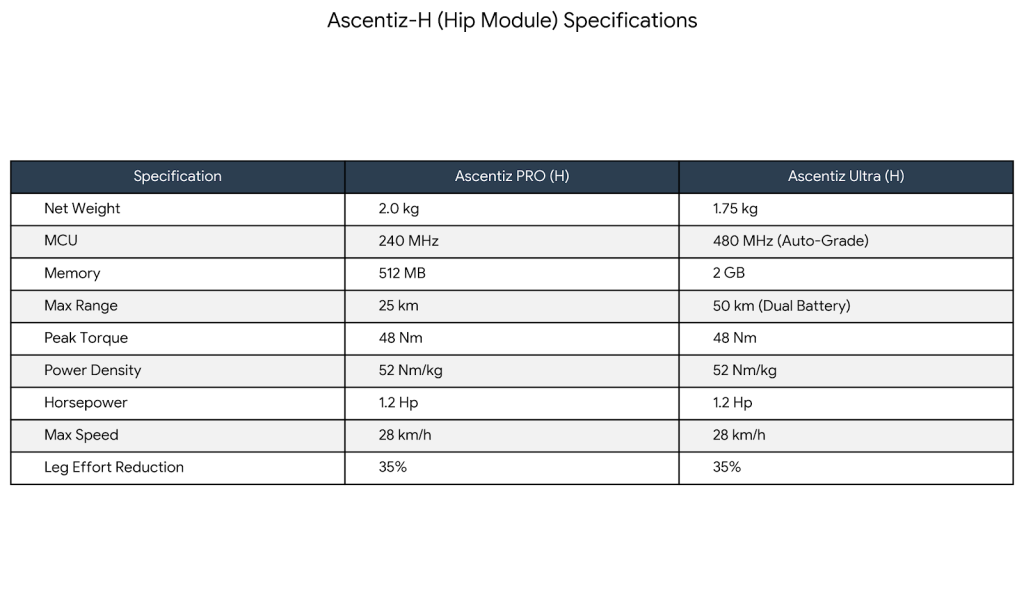
Under the hood, the system runs on the open-source BodyOS platform. A quasi-direct-drive motor pushes out 900W of burst power, which the company claims can boost leg strength by 35% and offset up to 66 pounds of pack weight. If you’re worried about looking like a robot but moving like a glacier, don’t be—the AI chipset reportedly recognises movement scenarios in under 500 milliseconds, supporting speeds up to 28 km/h (about 17 mph).
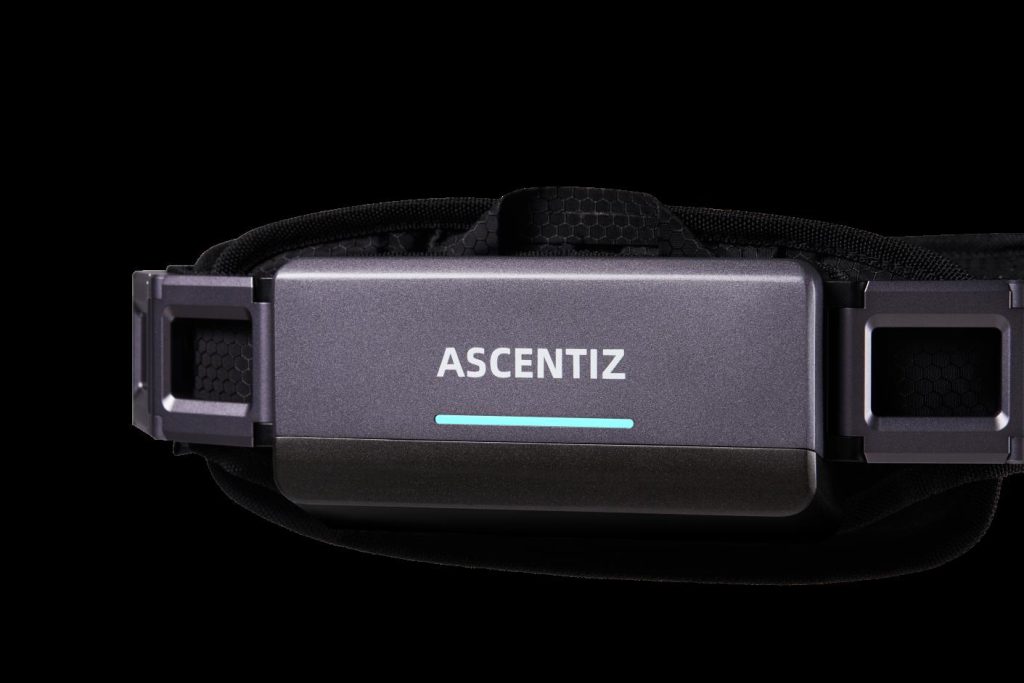
Battery life is rated for about 12.5 miles (20km) of continuous assist, though an automotive-grade dual-battery setup can push that closer to 30 miles (50km) if you’re planning a real odyssey. When you’re done, the 1.75kg (3.8 lbs) rig folds down to roughly the size of a piece of A4 paper.
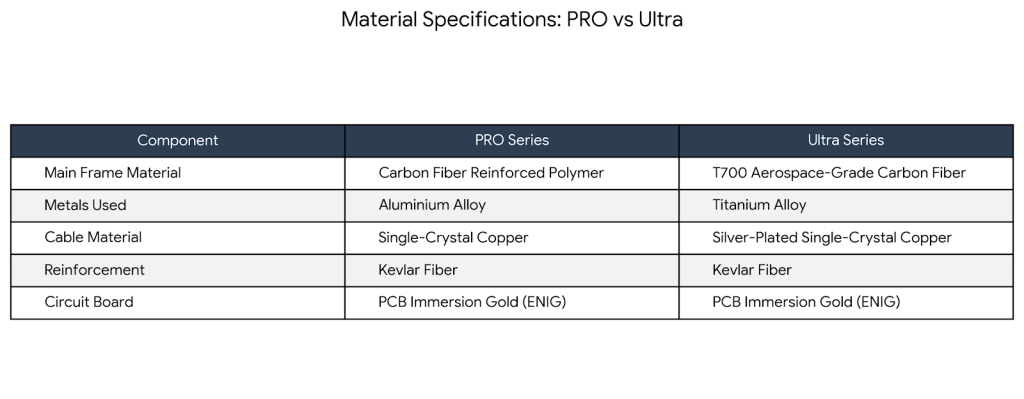
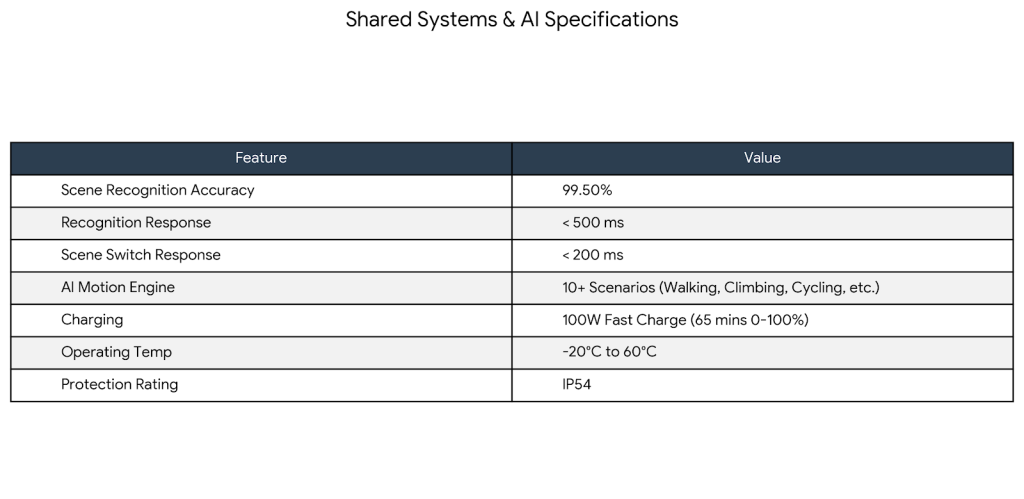
Core Technology & AI (Shared)
Both modules run on the AI MotionEngine, providing predictive assistance across multiple terrains.
-
AI Performance: 99.5% recognition accuracy with <500ms response time.
-
Modes: * EASE: Light support for daily walking.
-
ACC: Dynamic adaptation for hiking/commuting.
-
TRAIN: Controlled resistance (up to 20kg) for strength building.
-
-
Battery & Power: 24V 77.7Wh cells; 100W Fast Charging (0-100% in 65 mins); 20W Reverse Charging for mobile devices.
-
Build: IP54 weather resistance, eco-friendly memory foam padding, and breathable moisture-wicking fabric.
-
Open Source: Both the Base Chassis and SDK are open-source for secondary development.
Price and Availability
Ascentiz is setting up shop at the Venetian Expo (Halls A-D #56536) during CES, where they’ll have a limited-edition “CES Colorway” available for pre-order.
For the rest of us, the H+K system officially hits the market in February 2025, with pricing expected to land between $1,000 and $2,000 depending on the configuration.