For the past several years, the narrative surrounding book-style foldable smartphones has been stuck on repeat. Every product cycle, we are told the same thing: “This is the one that finally feels like a normal phone when closed.” We heard it with the Google Pixel Fold, we heard it with the OnePlus Open, and we heard it loudest with Honor’s own Magic V2 and subsequent V3/V5 generations.
But let’s skip the marketing fluff and focus on reality. Up until now, engineering a foldable that mirrors a conventional “slab” phone has always required a Faustian bargain. If you wanted a remarkably thin device, you had to settle for compromised battery capacities, mediocre camera sensors, or hinges that felt structurally fragile. If you wanted durability and flagship-grade optics, you had to accept carrying around a literal brick that stretched your pockets to their structural limits.
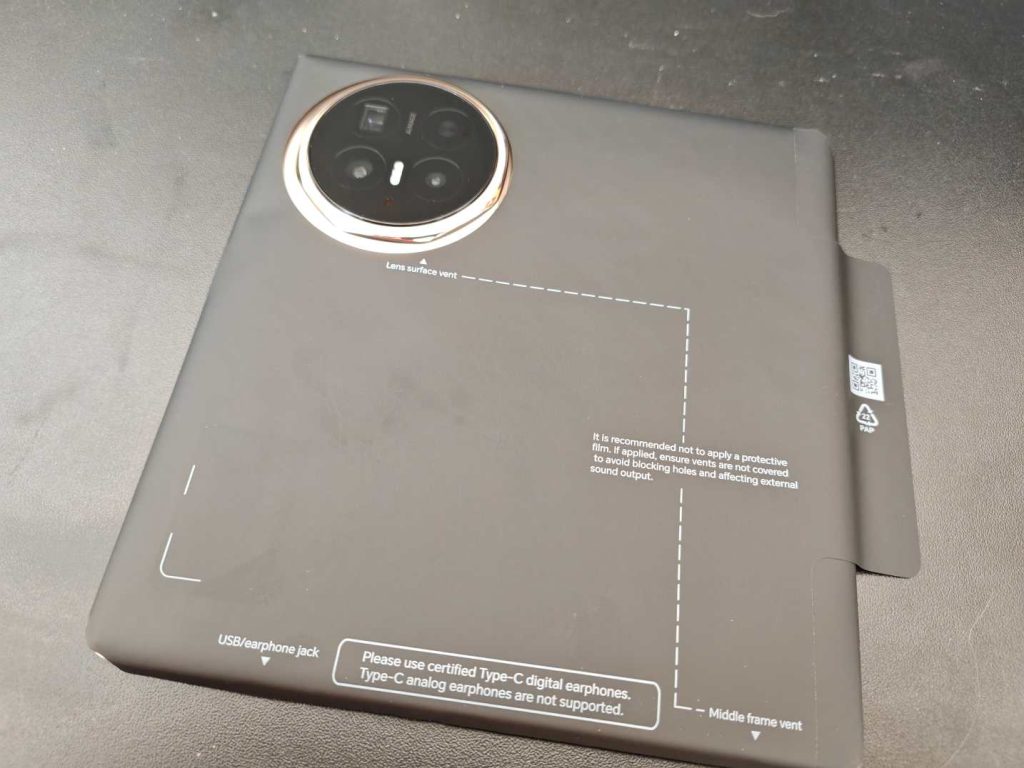
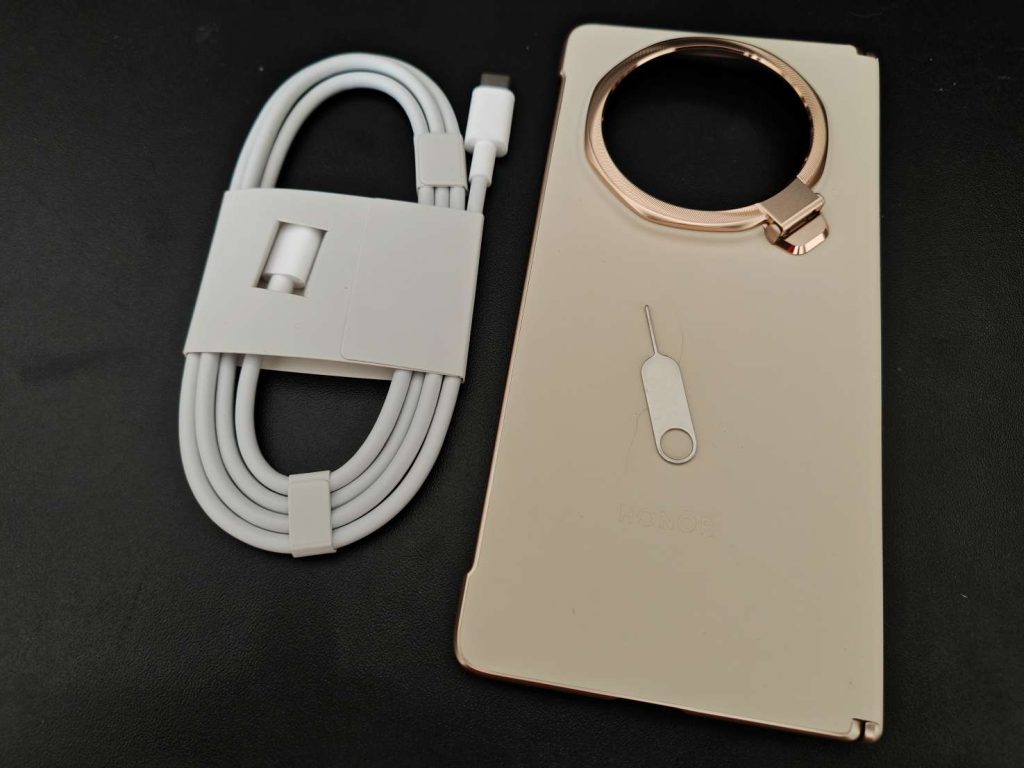
The Honor Magic V6 arrives with the bold promise of breaking that cycle once and for all. It doesn’t just aim to be thin; it aims to be a complete, uncompromised Android flagship that happens to fold in half. Equipped with a massive 6,600mAh battery, Qualcomm’s Snapdragon 8 Elite Gen 5 processing power, comprehensive IP68/IP69 ruggedisation, and deep, unprecedented cross-ecosystem integration with Apple hardware, the Magic V6 throws down a gauntlet to competitors like Samsung and Google.
After three weeks of using the Magic V6 as my primary daily driver—flinging it into backpacks, pushing its multitasking capabilities to the absolute limit, and testing its limits in unpredictable environments—I am ready to share my thoughts. This isn’t just an incremental spec bump. It is a defining milestone in the maturation of flexible display technology. Here is our comprehensive, deep-dive review of the Honor Magic V6.
Technical Specifications: The Complete Hardware Picture
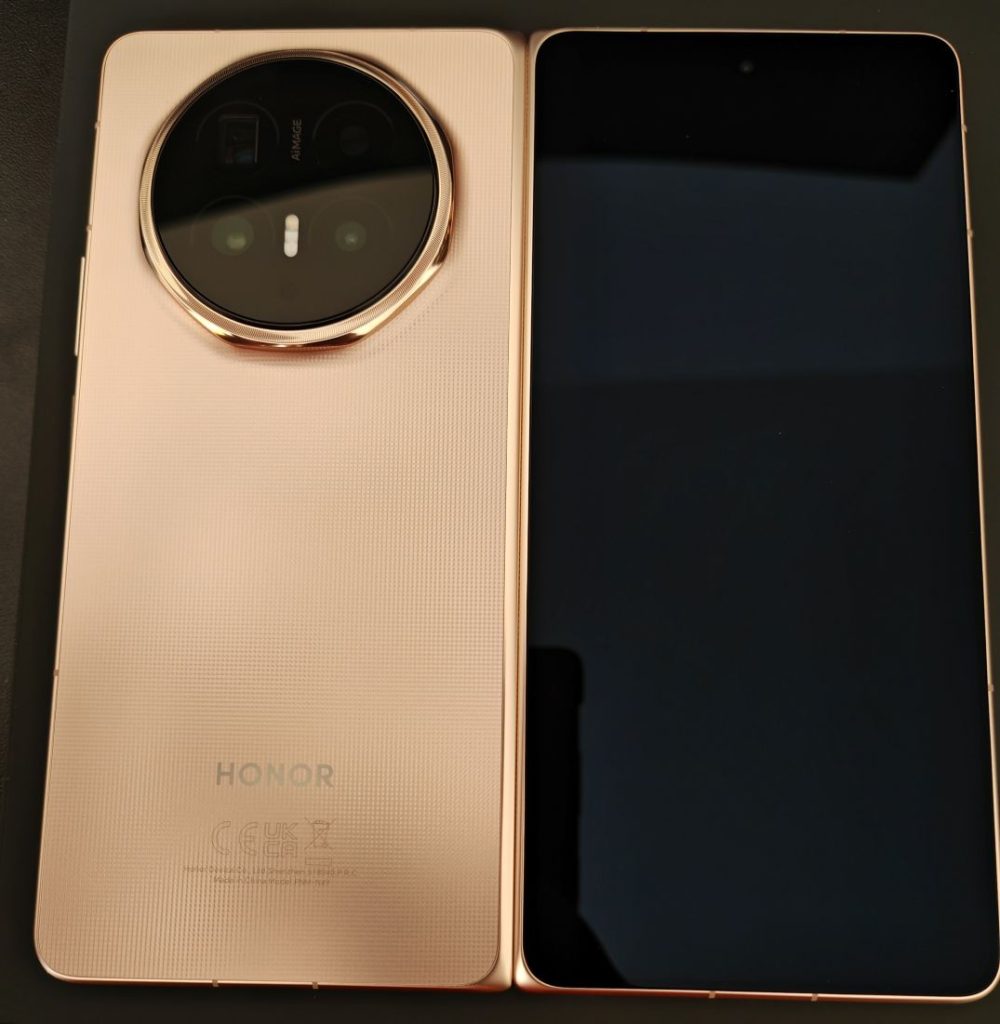
Before we dive into real-world performance, ergonomics, and daily usability, it is vital to understand the raw engineering on display. Honor has redesigned internal components—including the antenna array, speaker chambers, vibration motor, and USB-C housing—to maximise every single cubic millimetre of internal volume.
| Feature | Specification |
| Dimensions (Folded) | 156.7 x 74.5 x 8.75 mm (White) / 9.0 mm (Gold, Black, Red) |
| Dimensions (Unfolded) | 156.7 x 145.6 x 4.0 mm (White) / 4.1 mm (Gold, Black, Red) |
| Weight | 219g (White) / 224g (Gold (Review unit), Black, Red) |
| Durability Ratings | IP68 (water immersion) and IP69 (high-pressure, high-temp water jets) |
| Cover Display | 6.52-inch LTPO 2.0 OLED, 2420 x 1080 resolution, 120Hz, 6,000 nits peak, NanoCrystal Shield |
| Inner Display | 7.95-inch Foldable LTPO 2.0 AMOLED, 2352 x 2172 resolution, 120Hz, 5,000 nits peak |
| Processor | Qualcomm Snapdragon 8 Elite Gen 5 (Full 8-core CPU architecture) |
| Memory & Storage | 16GB LPDDR5X RAM / 512 GB UFS 4.1 Storage (Global configurations) |
| Rear Camera Array | 50MP Main (f/1.6, CIPA 6.5-stop OIS) + 50MP Ultra-wide (f/2.2) + 64MP Periscope Telephoto (3x Optical, f/2.5) |
| Front Cameras | Dual 20MP selfie cameras (one embedded per display) |
| Battery & Charging | 6,600mAh Silicon-Carbon battery; 80W Wired / 66W Wireless charging |
| Software | MagicOS 10 based on Android 16 (7 years of security & OS updates in EU/Global) |
Design and Ergonomics: Pure Structural Wizardry
Holding the Honor Magic V6 folded in your hand is an uncanny experience. If you handed this device to someone who had been living under a rock for the last five years, they would have absolutely no idea it opens up into a mini-tablet.
When folded, the white variant measures a jaw-dropping 8.75 mm thin. To put that into perspective, the conventional Samsung Galaxy S26 Ultra sits at over 8 mm thick. Honor has managed to take two complete display assemblies, a complex mechanical hinge, a triple-lens camera housing, and a massive battery array and pack them into a profile that is indistinguishable from a standard flagship slab phone.
Material Variants and Tactile Feel
Honor has opted for a diverse array of materials across its colour lineup, and your choice will slightly impact the physical characteristics of the phone:
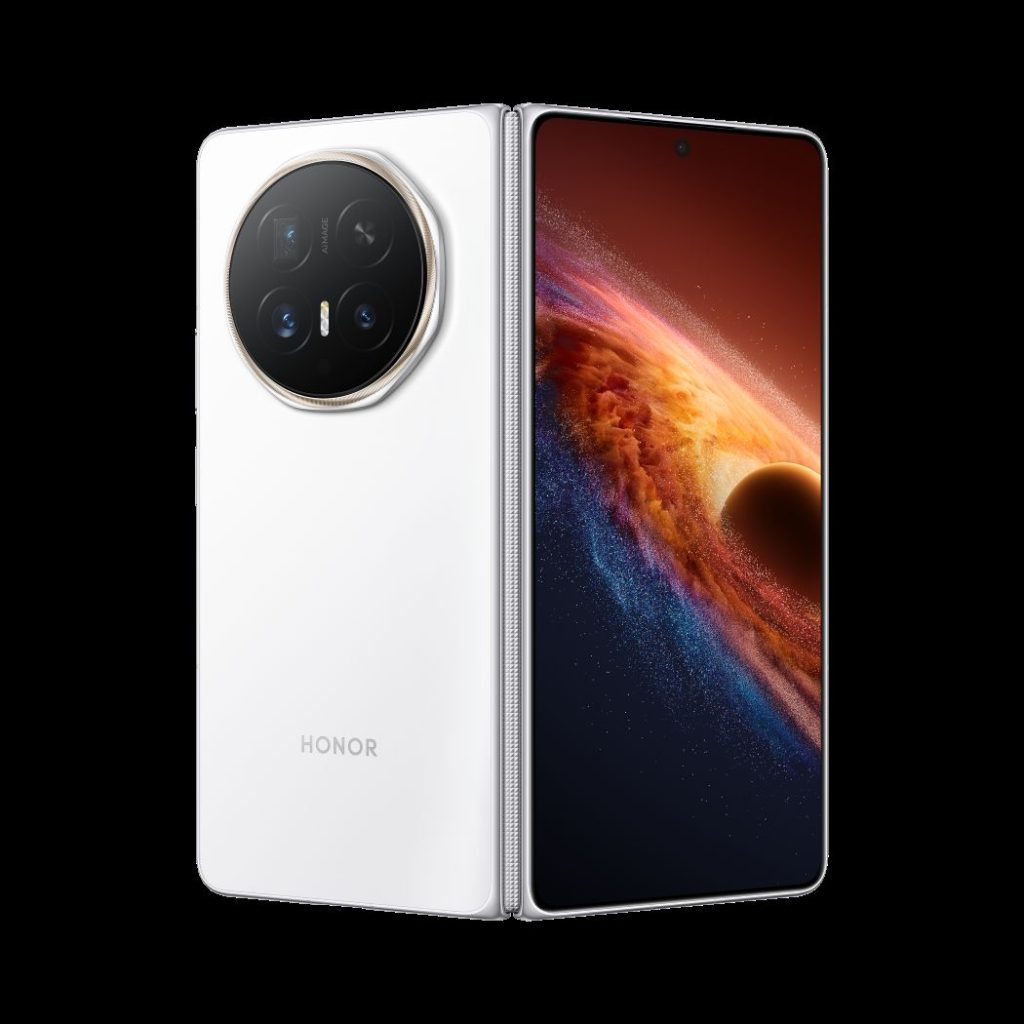
-
The White Variant: Uses a specialised, hyper-compressed composite glass that yields the thinnest (8.75 mm) and lightest (219g) profile in the lineup. It feels cool, sleek, and highly modern.
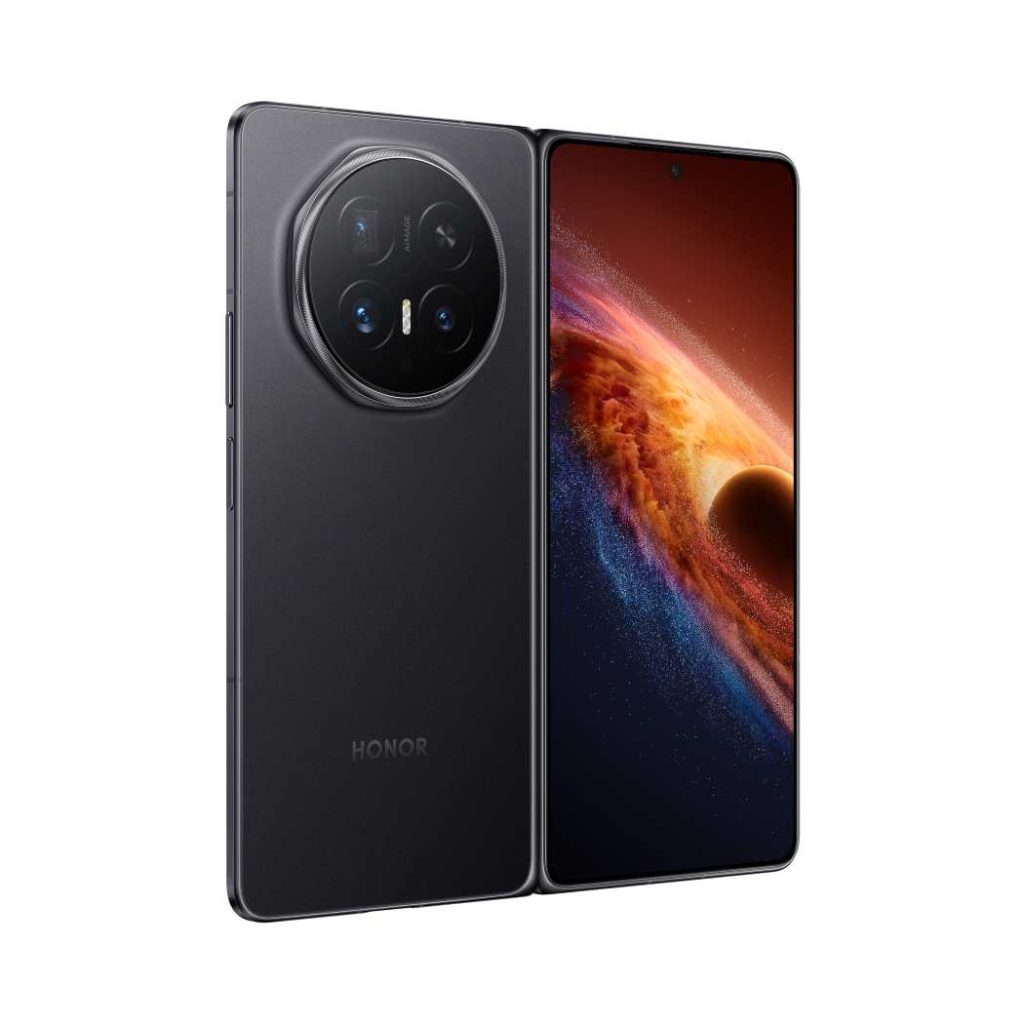
-
The Gold and Black Variants: Utilise a lightweight aerospace-grade fibre material on the back panel. They weigh 224g and measure 9.0 mm thick when closed. The gold is surprisingly tasteful—less “bling” and more of a muted, premium champagne hue.
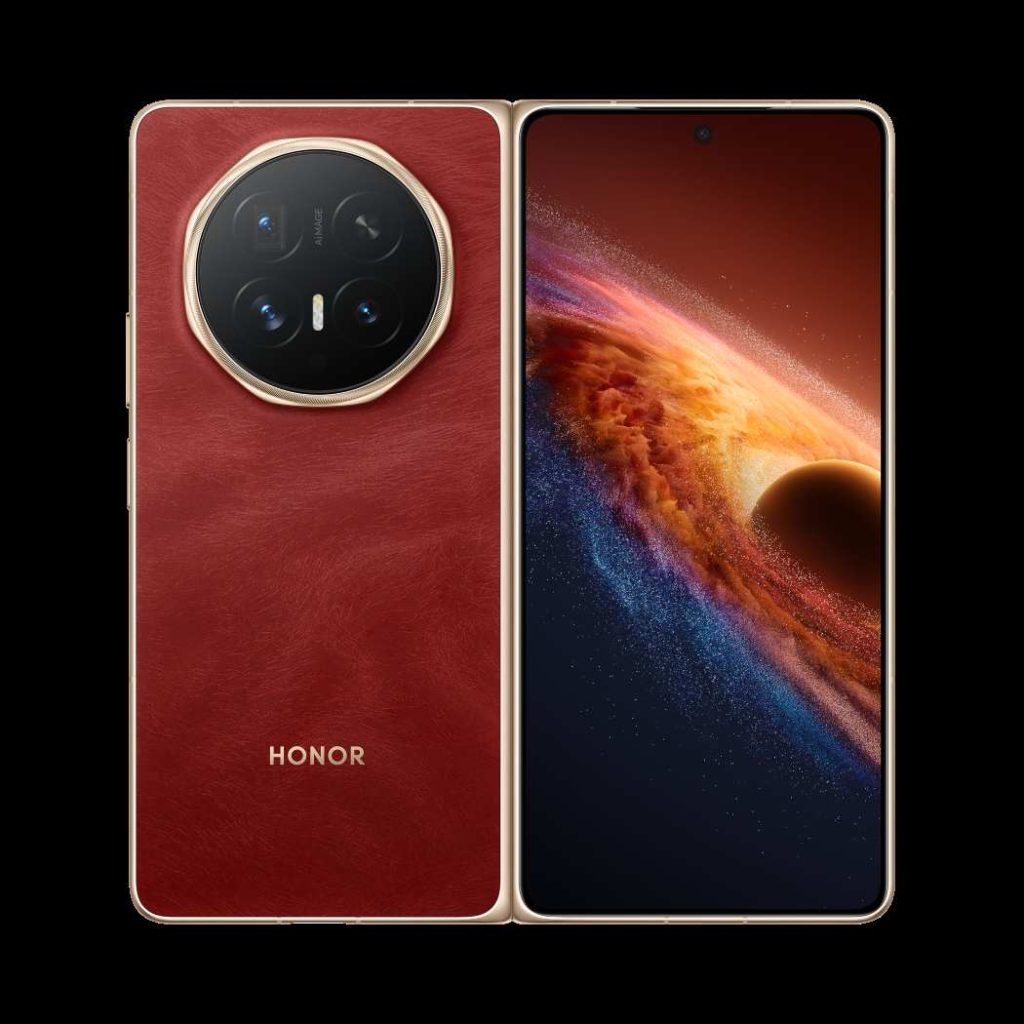
-
The Red Variant: Arguably the showstopper of the family, featuring a rich vegan leather finish with a soft-touch texture and a subtle hairline pattern. It’s paired with a striking gold aluminium mid-frame and a matching gold accent ring around the octagonal camera island.
The frame of the Magic V6 has been flattened compared to its predecessors, yet the actual corners and edges feature a microscopic radius curve. This design choice is brilliant; it gives the device a clean aesthetic while preventing the metal edges from digging into your palm when gripping it tightly.
Furthermore, the physical buttons are thoughtfully placed. In many past foldables, opening the device caused the volume rocker and power button to sit at awkward, mismatched heights. On the Magic V6, everything sits exactly where your thumb and index finger naturally rest, matching the ergonomics of a standard smartphone. The power button also pulls double duty as a snappy capacitive fingerprint reader, which handles secure unlocks instantly.
The Hinge and Ruggedisation
Opening the Magic V6 requires a deliberate but smooth amount of force. The hinge’s friction curve has been carefully calibrated: it stays firmly closed when folded, opens with a fluid glide, and holds its shape securely at angles between 45 degrees and 135 degrees (essential for what Honour calls “Fast-Flex” or “Laptop” mode).
Perhaps the biggest structural achievement here is the inclusion of full IP68 and IP69 dual certification. While water resistance (IP68) has slowly become standard on top-tier foldables, the addition of IP69 is unprecedented in this form factor. This means the phone is fully sealed against high-pressure, high-temperature water jets. While I wouldn’t recommend taking your $1,800 foldable into a commercial dishwasher, knowing that it can survive a heavy downpour, an accidental drop into a swimming pool, or a literal rinse under the kitchen tap provides massive peace of mind.
Dual Displays: Brightness Monsters with an Identity Crisis
The Magic V6 features two of the most technically advanced organic light-emitting diode (OLED) panels ever fitted to a mobile device, but they approach the user experience with slightly different priorities.
The Cover Screen: No More Typing Cramps
The external display is a 6.52-inch LTPO 2.0 OLED with a 2420 x 1080 resolution and a traditional 20:9 aspect ratio. This aspect ratio is the true hero of the external layout. Competitors like Samsung have long favoured an overly narrow, tall cover screen that turns typing a basic text message into a frustrating exercise in typo correction. The Magic V6 cover screen feels completely natural. Your thumbs have plenty of horizontal room to breathe on the virtual keyboard, and apps render natively without vertical stretching or cropped elements.
Protecting this outer pane is Honor’s Anti-scratch NanoCrystal Shield, which offers significantly improved drop and scratch resistance. Under direct sunlight, this panel can drive its peak brightness to an astonishing 6,000 nits when handling HDR content. In real-world outdoor usage, it effortlessly cuts through harsh mid-day glare, making text perfectly legible.
The Inner Foldable Screen: The Tablet in Your Pocket
Unfurl the device, and you are greeted by an expansive 7.95-inch main display with a 2352 x 2172 resolution. It uses an LTPO 2.0 AMOLED backplane capable of scaling dynamic refresh rates from a battery-saving 1Hz up to a buttery-smooth 120Hz. Peak brightness on this inner panel reaches 5,000 nits.
Honor’s marketing heavily leans into a “crease-less” narrative surrounding this display—but let’s be entirely frank: it is not crease-less. If you turn the screen off and tilt it against a harsh overhead light, you will absolutely see the shallow physical valley running down the centre. However, when the screen is active and you are looking at it head-on, the crease is tantalisingly close to being imperceptible. You can feel a mild dip when running your finger across it during web scrolling, but it is a massive improvement over older foldable generations and easily fades into the background during daily use.
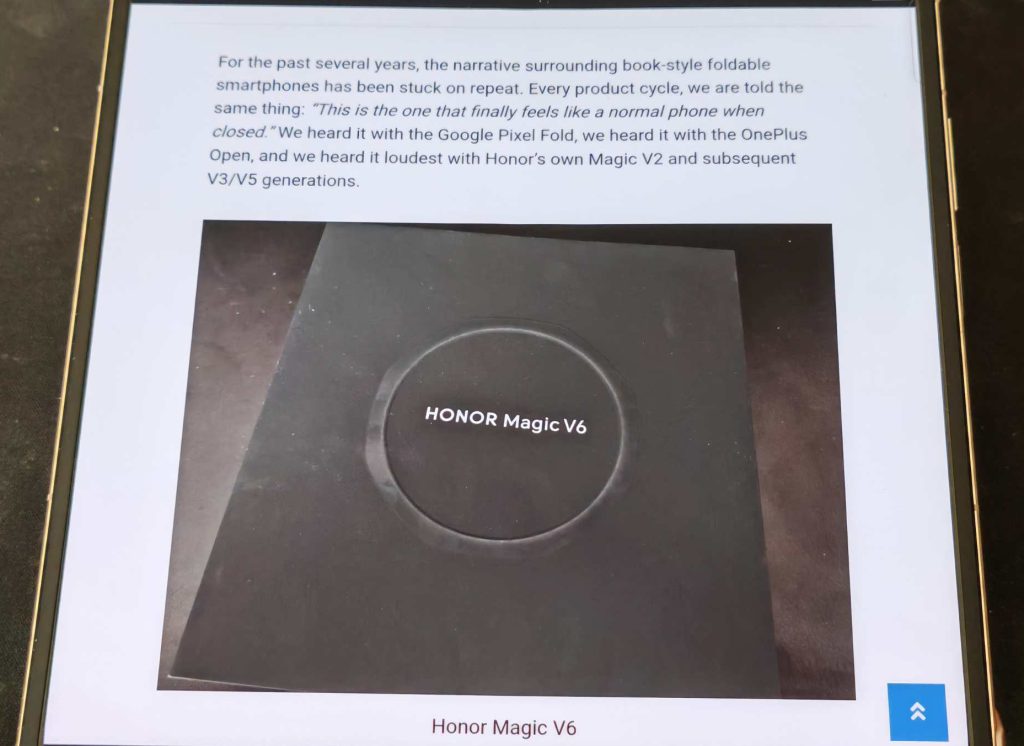
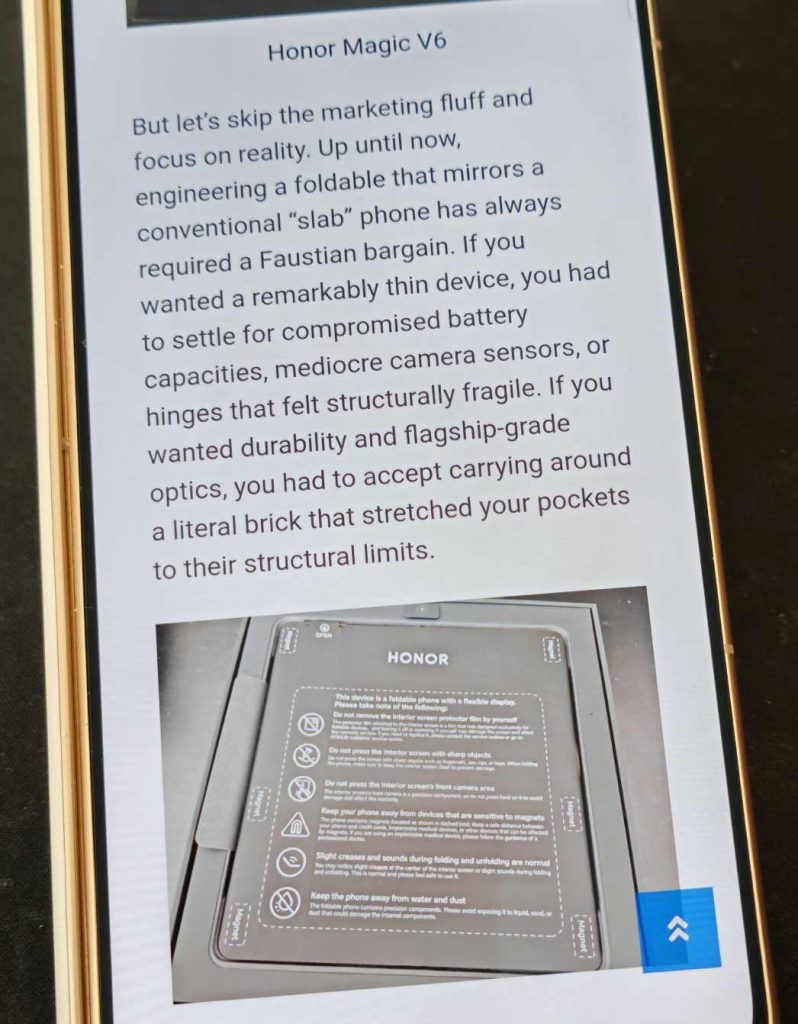
The inner panel features an advanced anti-reflective coating that noticeably dampens distracting room reflections. However, because the inner screen is inherently structured around a protective flexible polymer layer underneath its ultra-thin glass, it remains more mirror-like than a traditional rigid glass display.
The Ultimate Eye-Care Suite
If you suffer from eye strain, digital fatigue, or late-night insomnia caused by screen usage, Honor’s display settings are a revelation. The company has crammed so many medical-centric display features into the Magic V6 that they gave it its own dedicated settings menu:
-
4320Hz Pulse-Width Modulation (PWM) Dimming: Both screens utilise this ultra-high-frequency dimming technology. For users sensitive to the invisible screen flickering of standard OLEDs at low brightness levels, this feature eliminates the headaches and eye strain completely.
-
Defocus Eyecare & Natural Tone: Simulates natural light variations to stimulate ciliary muscle movement in the eye, preventing accommodation spasms (the root cause of temporary near-sightedness after staring at a phone for hours).
-
Circadian Night Display: Dynamically shifts colour temperatures to match your body’s natural sleep-wake cycle, filtering out harsh blue light seamlessly as the evening progresses.
-
Ultra-Dim Mode: For bedtime readers, the screen can drop down to a minuscule 0.8 nits of absolute brightness, allowing you to read in a pitch-black room without blinding yourself or waking your partner.
Performance and Thermals: Raw Power vs. Physics
Under the hood, the global edition of the Honor Magic V6 is an absolute beast. It is the first internationally available foldable to ship with Qualcomm’s flagship Snapdragon 8 Elite Gen 5 chipset. Unlike competing devices that use binned or under-clocked versions of this silicon to keep heat down, Honor uses the full, uncompromised 8-core CPU architecture. Paired with up to 16GB of LPDDR5X RAM and lightning-fast UFS 4.1 storage, the raw performance metrics of this phone are off the charts.
Everyday Use and Gaming Benchmarks
In daily operation, the Magic V6 doesn’t just feel fast; it feels instantaneous. Apps launch before your finger fully leaves the screen. Swiping through complex, asset-heavy web pages, rendering multi-track 4K video exports in mobile editing suites, and bouncing between multiple resource-heavy applications happens with absolute fluid ease.
For mobile gamers, this device is a dream. I threw the most demanding modern titles at it to see where it would falter:
-
EA Sports FC Mobile: Set to “Ultra” graphics settings, the phone maintained a locked, unwavering 60 frames per second (fps) during intense online matches.

-
Fortnite & Sword of Convallaria: Both titles were configured to their maximum graphical presentation at 60 fps. The Magic V6 handled crowded battlefields and flashy particle effects without dropping a single frame.
-
Emulation & AAA Android Titles: Complex internal geometry scaled beautifully on the large 7.95-inch square canvas, making it an incredible portable gaming console.
The Thermal Management Challenge
However, we cannot ignore the immutable laws of physics. Operating a top-tier desktop-class mobile processor inside a chassis that unfolds to a mere 4.0 mm thin creates an enormous thermal dissipation challenge.
Honor has outfitted the Magic V6 with an ultra-thin custom vapour chamber cooling solution wrapped around the main logic board. In casual tasks—such as scrolling social media, triaging emails, streaming high-definition video, or navigating via GPS—the phone remains perfectly cool to the touch. Even outdoors on warmer days, the chassis manages ambient heat exceptionally well.
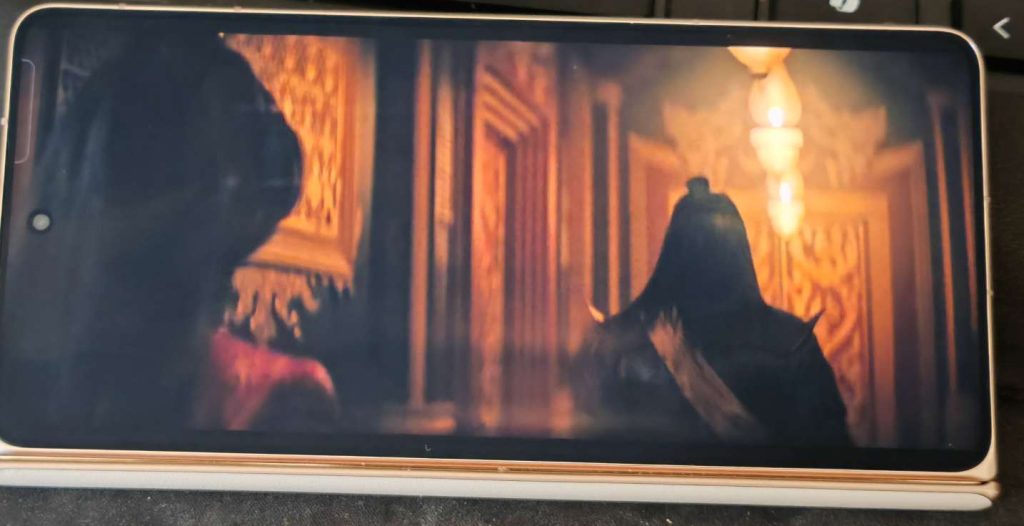
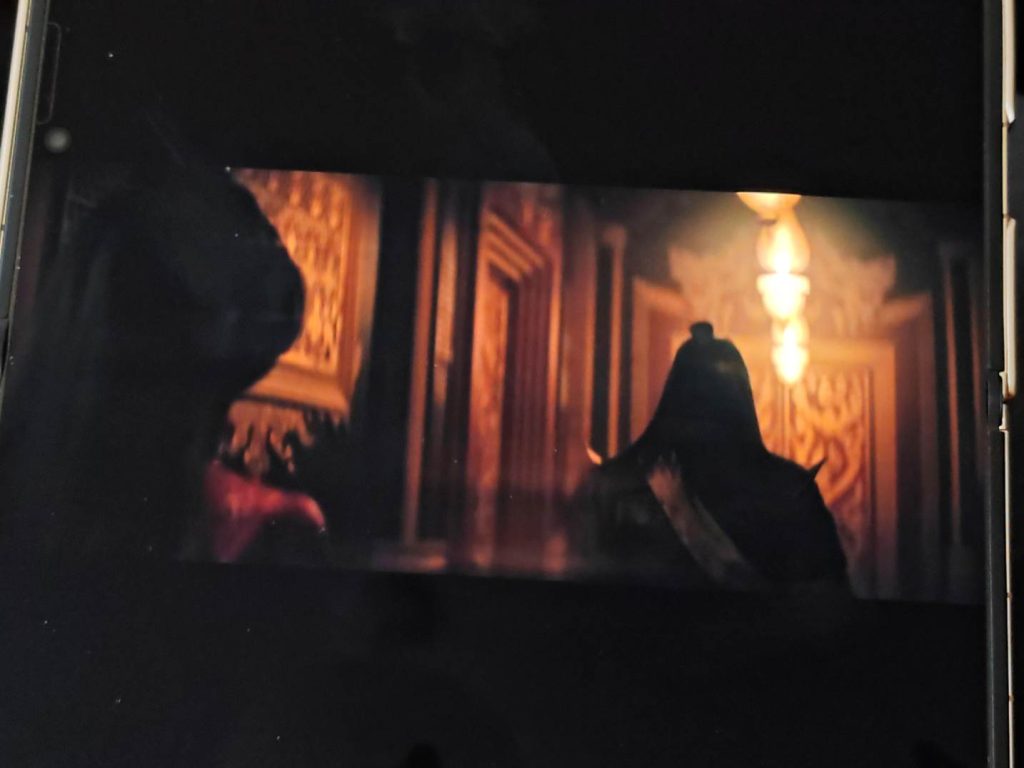
But when you push the phone into sustained, heavy synthetic workloads or long gaming marathons (past the 30-minute mark), thermal throttling is an inevitability. In extended stress tests, the Magic V6 will deliberately pull back its peak CPU clock speeds by roughly 20% to 25% to prevent the exterior metal frame from becoming uncomfortably hot to hold. The good news? The Snapdragon 8 Elite is so wildly overpowered to begin with that even when it throttles down to 75% of its maximum capacity, you will not notice a single stutter or frame drop in actual gameplay. The performance floor of this chip remains well above what modern mobile apps require.
Software: The Triumph of the Apple Bridge
The Honor Magic V6 arrives running MagicOS 10, a heavily customised skin layered on top of Android 16. For buyers in the European Union and broader global markets, Honor is backing this hardware with an excellent seven-year commitment for both core OS upgrades and security patches. This matches the industry gold-standard long-term support offered by Google and Samsung, ensuring your steep financial investment remains relevant into the 2030s.
Aesthetically, MagicOS 10 makes absolutely no secret of where its design inspiration comes from. The interface features a heavy dose of Apple’s “Liquid Glass” design language, complete with translucent pull-down menus, rounded icon-rich widgets, and strong blurring effects. Honor even provides a native slider tool in the system settings that lets you manually dial the UI transparency and blur intensity up or down to suit your personal style. It’s a clean, gorgeous, and modern interface, even if it feels uncomfortably close to an iOS carbon copy at times.
The Secret Weapon: Cross-Ecosystem Fluidity
The single most innovative feature of the Magic V6 isn’t a foldable display gimmick; it is Honor WorkStation. For years, tech reviewers have complained about the absolute wall built between Android phones and Apple’s ecosystem. If you use a Mac or an iPad, buying an Android phone means giving up native continuity. Honor decided to dismantle that wall entirely.
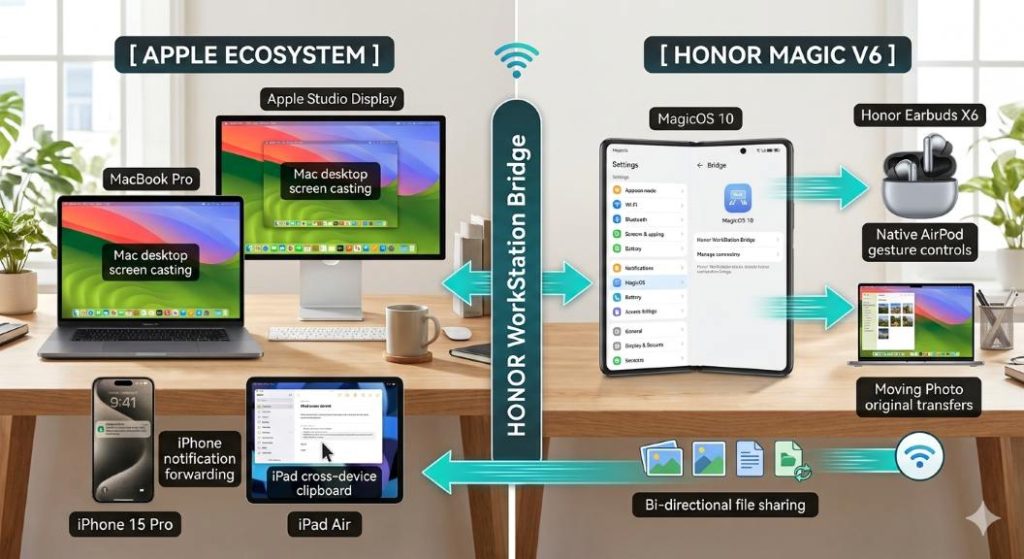
Through the MagicOS suite, the Magic V6 can interface directly with Apple hardware:
-
Notification Mirroring: You can natively forward your iPhone and iPad notifications straight to the Magic V6 display, and even pass Apple Watch alerts back the other way.
-
Mac Desktop Extension: The Magic V6 can act as a wireless auxiliary display for your Mac desktop. It supports seamless drag-and-drop file transfers, wireless screen casting, and instant clipboard sharing. You can copy a block of text or an image on a MacBook and paste it instantly into an app running on the unfolded inner display of the V6.
-
Native AirPods Support: When you pair a set of Apple AirPods with the Magic V6, they do not just function as basic, dumb Bluetooth earbuds. MagicOS intercepts the connection to provide a custom adaptation of Apple’s native control panel. You get accurate battery life tracking for individual stems, active noise cancellation toggle access, and ear-detection handling. It works beautifully, and frankly, it’s a marvel that Honor’s software team managed to engineer this without receiving a swift cease-and-desist letter from Cupertino.
Multitasking on the Big Screen
To utilise that massive 7.95-inch canvas, MagicOS 10 introduces an updated suite of foldable productivity tools:
-
Fast-Flex Gestures: When you partially fold the screen while working inside an app, a single gesture can automatically snap that app into a split-screen view or pin it to the top half of the display, turning the bottom half into a trackpad or keyboard layout.
-
App Multi-Window: You can run up to four apps concurrently—two in traditional split-screen side-by-side, and an additional two floating in adjustable, resizable windows.
However, the software still possesses some traditional Android-like rough edges. While core productivity apps, office suites, and streaming services scale beautifully, there are instances where an app simply refuses to cooperate with split-screen multitasking.
Furthermore, data transfer between concurrent windows isn’t always fully friction-free. For example, while you can easily open your system photo gallery and Adobe Lightroom side-by-side on the inner display, MagicOS won’t always let you directly drag a raw photo asset from the gallery pane straight into the Lightroom canvas to instantly initiate an edit. You still occasionally have to rely on the traditional system import menus.
Finally, MagicOS features aggressive background RAM power management out of the box. If you don’t dive deep into the system settings to manually exclude critical apps like Slack, WhatsApp, or Discord from battery optimisation, the OS will occasionally put those apps to sleep so deeply that your push notifications will be delayed until you actively unlock and open the phone. It’s an easy fix, but one that users shouldn’t have to troubleshoot manually on day one.
Camera System: Reliable Flagship Optics with a Few Caveats
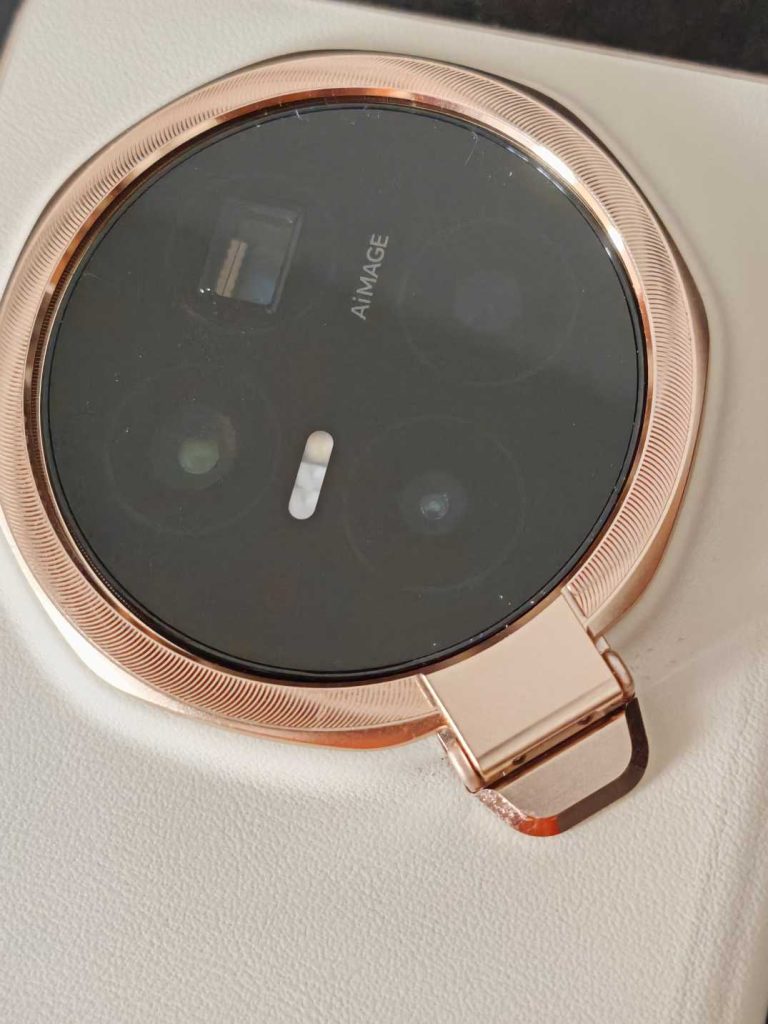
Foldable camera setups have historically been a compromise because the physical depth of a super-thin chassis leaves very little room for massive camera sensors and complex glass elements. Honor attempts to circumvent this structural limitation by deploying a highly optimised triple-lens system housed inside a striking, albeit noticeable, rear octagonal camera housing.
The Imaging Hardware Breakdown
-
Main Camera: 50-megapixel sensor with a wide f/1.6 aperture. It features a hardware stabilisation system rated at a CIPA 6.5-stop image stabilisation level. This is an incredibly robust implementation that dramatically minimizes hand shake during long-exposure night shots and stabilises shaky handheld video capture.
-
Ultra-wide Camera: 50-megapixel sensor with an f/2.2 aperture and built-in macro capabilities for capturing fine detail up close.
-
Telephoto Camera: 64-megapixel periscope lens providing a 3x true optical zoom factor at an f/2.5 aperture.
Real-World Still Photography Performance
In standard daylight scenarios, the main 50MP sensor is a highly reliable performer. It outputs beautifully sharp, highly detailed images via standard pixel-binning down to 12.5 megapixels. Interestingly, if you toggle the camera into its native 50MP High-Res mode, you won’t actually see a substantial increase in fine resolving detail compared to the standard binned mode. The image processing algorithms are clearly tuned to maximise dynamic range and structural contrast at the default pixel-binned resolution.
The colour science leans into typical high-contrast Android territory. Images are punchy, vibrant, and ready to share directly to social media networks, though this pop comes at the slight expense of perfectly neutral, true-to-life colour reproduction. Under overcast skies or indoor ambient illumination, the camera handles dynamic range wonderfully, preserving highlights in light fixtures without completely crushing shadowed corners.
The 3x periscope telephoto lens is a highlight of the camera assembly. Zoom shots at 3x and 5x remain incredibly crisp, holding onto fine textures like brickwork or distant foliage with excellent clarity.
One of the great joys of taking photos with a book-style foldable is utilising its flexible hinge as a built-in tripod. For sweeping landscape shots or dramatic architectural framing, you can simply fold the Magic V6 to a 90-degree angle, place the bottom half firmly on a flat wall or table surface, tilt the upper display housing to perfectly compose your frame, and fire the shutter remotely.
Low Light and Action Challenges
When the sun goes down, the Magic V6 continues to deliver admirable performance, provided your subject isn’t moving. The 6.5-stop OIS allows the shutter to stay open a fraction of a second longer to draw in ambient photons without inducing blur.
However, if you try to push the envelope into fast-moving action scenarios, the camera system hits a visible ceiling:
-
Motion Blur: In lower lighting conditions, the shutter speed can lag slightly. If you are trying to photograph a hyperactive pet indoors or a fast-paced sports match at dusk, the built-in Motion Sensing capture feature can struggle, resulting in a noisy, muddy image as the software tries to balance digital grain against motion artifacting.
-
Portrait Separation: While portrait mode creates a pleasing background bokeh effect, the edge-detection software can occasionally be overly aggressive. Look closely at a portrait photo, and you may spot a slightly unnatural, harsh cutout line separating intricate details like flyaway hair or the edge of a jacket from the artificially blurred background.
Video Quality: Solidly Average
While Honor has poured immense resources into perfecting its still image processing pipeline, its video recording capabilities feel distinctly secondary. The phone can shoot at 4K resolution across all lenses, and the optical stabilisation keeps handheld walking shots reasonably steady. However, when moving between extreme lighting environments while filming, you can detect minor exposure stepping, and the overall video presentation looks merely decent rather than industry-leading. It is perfectly adequate for family memories or casual vlogging, but serious mobile videographers will find better performance elsewhere.
Battery and Charging: The True Endurance Beast
If you take away the thin design, the beautiful screens, and the Apple cross-compatibility features, the single most compelling reason to buy the Honor Magic V6 is its incredible battery life.
Historically, book-style foldables have hovered around the 4,500mAh to 5,000mAh battery threshold. Honor has rewritten the rulebook by squeezing an absolute monster 6,600mAh silicon-carbon battery pack into this 4mm-thin chassis. Silicon-carbon battery chemistry features a significantly higher energy density than traditional lithium-ion packs, enabling greater capacities within a vastly reduced physical footprint.
Real-World Battery Longevity
What does a 6,600mAh battery mean for your daily routine? It means total, unadulterated battery confidence.
During my testing phase, I intentionally refused to baby this device. A typical heavy testing day involved unplugging the phone at 7:00 AM, spending two hours streaming high-fidelity audio over Bluetooth, handling a steady influx of emails and push notifications, taking roughly 50 sample photos, spending 45 minutes playing demanding games on the large inner display, and streaming two hours of YouTube videos.
With a standard foldable, a routine like that would have you frantically scanning the room for a USB-C wall outlet by 6:00 PM. With the Magic V6, I consistently rolled into bed at 11:00 PM with 35% to 40% battery life remaining in the tank. If you are a light-to-moderate user who primarily utilises the cover screen and opens the inner tablet display for casual reading or media consumption, this is easily a legitimate two-day smartphone on a single charge. Honor promises up to 24 hours of continuous active battery life even if you leave the massive main display active, and my testing largely validates that claim. It is an extraordinary engineering feat.
Charging Speeds
When you eventually drain the battery, getting back up to full strength happens rapidly:
-
Wired Charging: Supports 80W SuperCharge speeds via a compatible brick. A quick 15-minute top-up can juice the phone from dead to roughly 45%, while a full 0% to 100% charge sequence takes just under an hour.
-
Wireless Charging: Supports blazing-fast 66W wireless charging when paired with Honor’s proprietary vertical wireless charging stand.
-
Reverse Charging: The phone also supports both wired and wireless reverse charging, allowing you to place your wireless-charging-compatible wireless earbuds or a friend’s dying smartphone onto the back panel of the V6 to give them an emergency power boost.
The Competition: How It Stacks Up
To understand whether the Honor Magic V6 is worth your hard-earned cash, we must look at how it positions itself against the premium competition in the 2026 landscape.
Honor Magic V6 vs. Samsung Galaxy Z Fold7
Samsung may have popularised this product category, but they have grown structurally conservative. The Galaxy Z Fold family remains noticeably thicker when closed, offers a narrower, more cramped external typing experience, and packs a much smaller battery with much slower wired charging speeds. Where Samsung retains an advantage is in its native software polish and global enterprise device deployment—but purely on a hardware design, screen, and battery endurance front, the Magic V6 runs absolute circles around it.
Honor Magic V6 vs. OPPO Find N6
OPPO’s Find N6 is a phenomenal folding machine with arguably better default software handling for multitasking and an excellent camera suite. However, the Magic V6 holds the definitive trump card when it comes to raw ergonomics. The Find N6 is slightly thicker, and its physical power button sits at a somewhat high, awkward position that takes muscle memory adjustment to reach. Furthermore, the Find N6 runs a slightly stripped-down 7-core variant of the Snapdragon 8 Elite, whereas Honor gives you the full-throttle 8-core silicon performance beast.
Pros and Cons
Pros
-
Mind-Boggling Thinness & Ergonomics: At just 8.75 mm folded, it is indistinguishable in the hand or pocket from a traditional slab flagship. The standard 20:9 cover screen aspect ratio eliminates the cramped typing experience found on older foldables.
-
Unrivalled Battery Endurance: The cutting-edge 6,600mAh silicon-carbon battery easily yields two full days of moderate use, blowing past the traditional 4,500–5,000mAh limits of its competitors.
-
Extreme Ruggedisation: Dual IP68 and IP69 ratings provide unparalleled peace of mind against deep water submersion and high-pressure, hot water jets.
-
The Apple Ecosystem Bridge: The Honor WorkStation feature offers unprecedented Android continuity with iOS/macOS, delivering native Mac desktop screen casting, cross-device clipboard sharing, and granular AirPod settings.
-
Industry-Leading Eye Care: The 4320Hz PWM dimming, Defocus Eyecare, and Ultra-Dim settings make this the most eye-friendly foldable display on the market for late-night readers.
-
Long-Term Software Commitment: 7 years of core OS upgrades and security patches ensure the device remains relevant well into the next decade.
Cons
-
Thermal Throttling Under Heavy Load: Squeezing the full 8-core Snapdragon 8 Elite into a 4.0 mm unfolded chassis means the phone will deliberately throttle performance by 20–25% during prolonged gaming sessions to keep outer surface temperatures comfortable.
-
Aggressive RAM Management: MagicOS 10 features incredibly strict background battery optimisation out of the box, requiring you to manually whitelist critical apps (like Slack or WhatsApp) to ensure instant push notifications.
-
Low-Light Action Photography Ceiling: While the 6.5-stop OIS handles static night photography beautifully, tracking fast-moving subjects (kids, pets, sports) in dimly lit environments results in noticeable motion blur.
-
Derivative Software Aesthetics: The overall layout and look of MagicOS 10 lean so heavily into Apple’s “Liquid Glass” design language that it can sometimes feel more like an iOS skin than a native Android environment.
Verdict: The Foldable That Finally Demands No Compromises
HONOR is dropping its latest foldable, the HONOR Magic V6, in the UK, and they are kicking things off with a massive launch incentive.
Available in four colorways—Red, Gold, White, and Black—the new foldable carries a standard Recommended Retail Price (RRP) of £1,999.99. However, early birds can snap it up for a much more palatable £1,499.99 at purchase.
The Deal Breakdown
Major UK retailers, including Argos, Amazon, Very, and Currys, are automatically applying a £500 instant discount at checkout.
To sweeten the deal, HONOR is throwing in a massive Gift with Purchase (GWP) bundle worth £549.97. Instead of the usual basic case or charger, they are packing in a full ecosystem of “Honor Choice” gear.
Here is exactly what’s included in the free bundle:
-
Honor Choice Projector Air Pro (Worth £249.99)
-
Honor Choice Headphones Max (Worth £149.99)
-
Honor Choice Watch 2 Epic (Worth £149.99)
The Verdict: When you stack the £500 hardware discount with the £550 worth of free tech goodies, you’re essentially getting over £1,000 in total value right at launch.
Honor has systematically targeted and eliminated almost every single historical excuse used to avoid buying a foldable phone. You can no longer complain that they are too thick, because this phone is as slim as a standard flagship slab. You can no longer complain about fragile builds, because it features comprehensive IP68/IP69 environmental sealing. You can no longer complain about abysmal battery life, because the 6,600mAh silicon-carbon cell delivers multi-day endurance that puts conventional phones to shame. And if you are an Apple user looking for an escape hatch into flexible display hardware, the innovative Honor WorkStation suite provides a glorious, functional bridge to your Mac and AirPods. HONOR is currently working with Google to add split-screen support for the Chrome app on the Magic V6.
Yes, the camera system hits a definitive structural ceiling when tracking fast motion in low light, and MagicOS 10 still requires you to manually tune its aggressive background app management to keep your notifications flowing instantly. But these minor software quibbles melt away when you experience the sheer daily utility of this device.
The Honor Magic V6 isn’t just an evolutionary step forward; it is arguably the finest book-style foldable smartphone created up to this point. It is a masterclass in hardware refinement, and it officially sets the baseline for what a flagship phone should be in 2026.
TNC Score
4.4/5.0