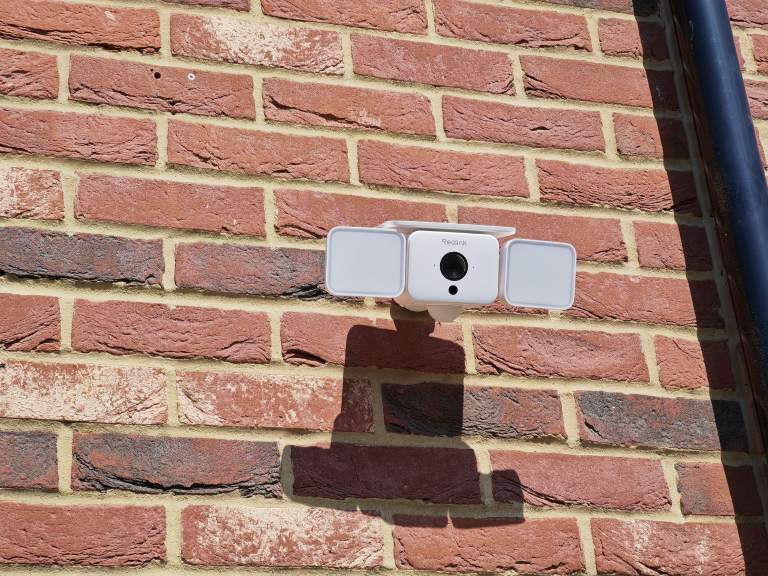
The outdoor security hardware landscape faces a long-standing challenge: balancing convenience with high performance. Traditionally, home security options required a compromise. You could opt for continuous, hardwired electrical lines to drive power-hungry floodlights, risking high installation or electrician fees. Alternatively, you could choose wire-free, battery-powered systems, but those often meant sacrificing powerful illumination or suffering through the persistent chore of removing and recharging cameras every few months.
The Reolink Solar Floodlight Cam is designed specifically to fill this gap. Priced aggressively under £100, this outdoor camera brings together 2K 4MP resolution, dual adjustable floodlights throwing out up to 1,000 lumens, and a built-in solar panel structure to provide a self-contained smart home sentry.
Crucially, it accomplishes this while maintaining Reolink’s standout ecosystem baseline: zero mandatory monthly subscription fees. Let’s break down how this device stands up to real-world deployment, where it hits the mark, and where its technical limitations show.
Technical Specifications: The Deep Dive
Before unpacking real-world performance, it helps to look at the exact hardware profile under the hood.
| Feature Category | Technical Specification |
| Video Resolution | 2K HD 4MP (2560 x 1440 pixels) |
| Sensor & Lens | 1/3″ CMOS Sensor; f=2.3mm, Fixed F=2.2 |
| Frame Rate | 10 to 15 frames per second (fps) max |
| Field of View (FOV) | 150° Diagonal (124.5° Horizontal, 69.6° Vertical) |
| Lighting Hardware | Dual adjustable LED panels, up to 1,000 lumens |
| Color Temperature | Tunable from 3000K (Warm) to 6000K (Cool White) |
| Power Reserve | 7,800mAh rechargeable lithium battery |
| Solar Charging | Integrated 3W panel utilizing SolarEase™ technology |
| Wireless Protocols | Dual-Band Wi-Fi 6 (IEEE 802.11 a/b/g/n/ac/ax; 2.4 & 5 GHz) |
| Local Storage Capacities | MicroSD Slot (up to 512GB), Home Hub, or Wi-Fi NVR |
| Audio Configuration | Built-in high-sensitivity microphone & internal speaker |
| Chassis Protection | IP66 Weatherproofing rating |
| Acoustic Deterrence | Integrated 110dB siren alarm |
Unboxing, Build Quality, and Industrial Design
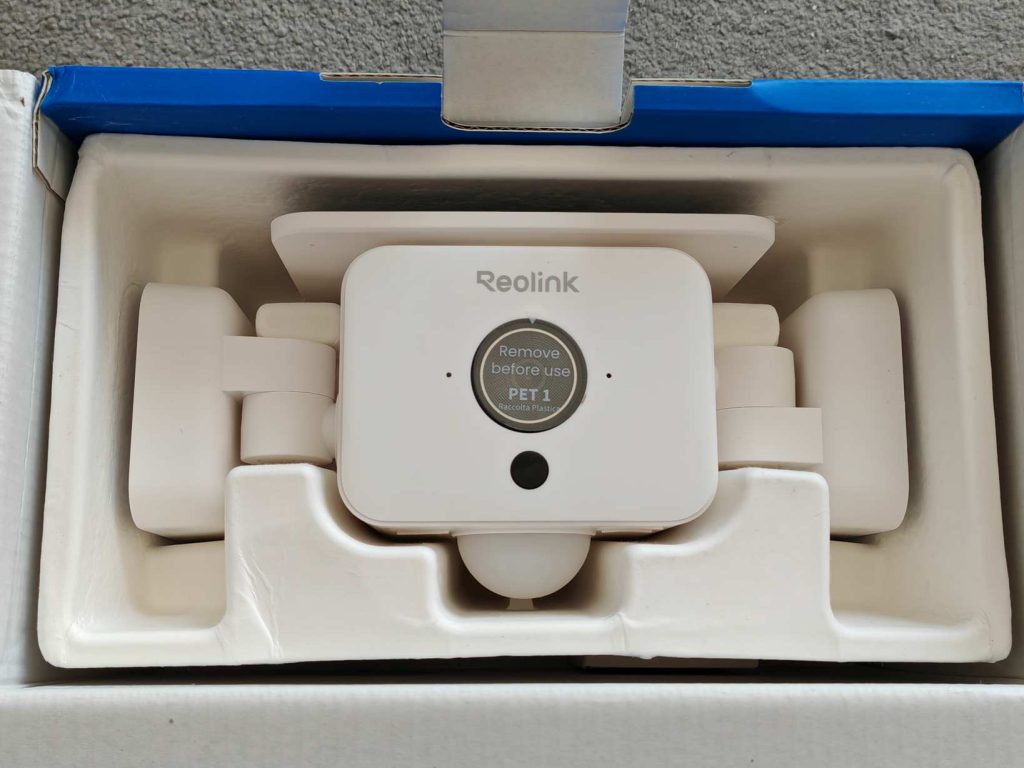
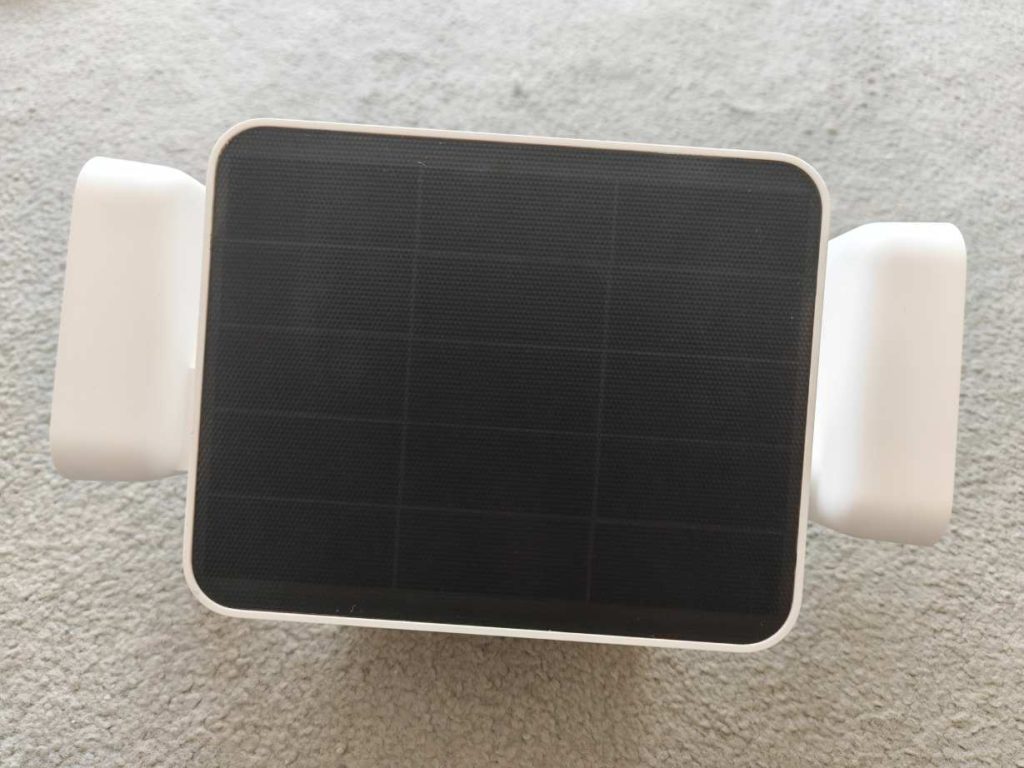
Out of the box, the Reolink Solar Floodlight Cam strays from the standard bullet or dome aesthetic common in security installations. It utilises a centralised white cube-style camera core bracketed closely by two wing-like LED floodlight panels. Resting directly on top of the main body is the integrated solar panel.
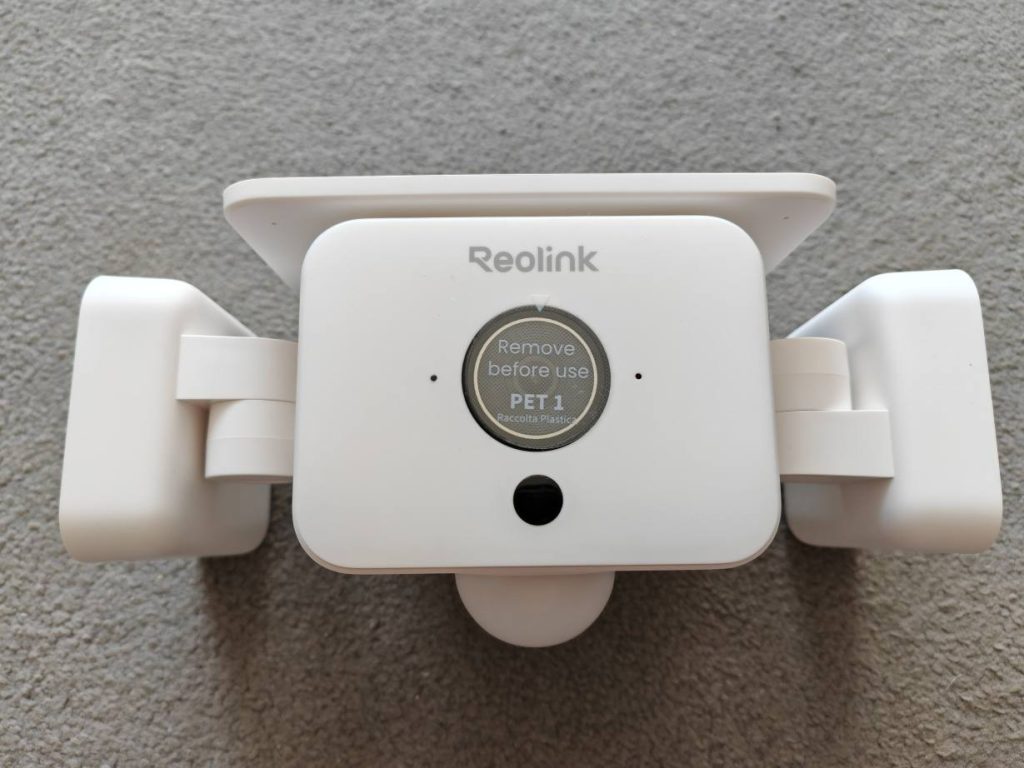
The immediate benefit of this “monolithic block” approach is structural cohesion. There are no dangling umbilical cords, external solar panels to screw onto a nearby gutter, or split junctions that create points of failure for moisture ingress. The entire unit feels rigid, utilising high-grade matte plastics that resist yellowing under UV exposure.
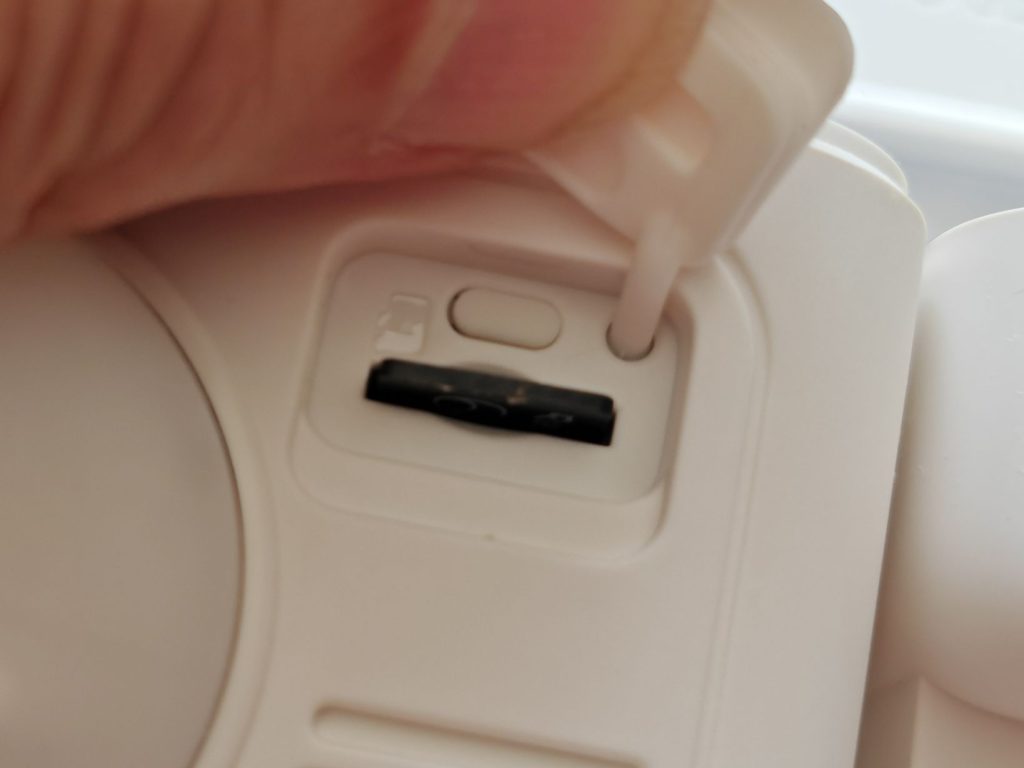
With an IP66 ingress protection rating, the unit is well-protected against heavy downpours, blowing snow, and dust storms. Rubber gaskets seal all inputs securely. Turning the camera over reveals the underbelly array: the master power toggle, a USB Type-C interface for an initial bench charge, and the MicroSD card slot.
Installation, Setup, and Ecosystem Architecture
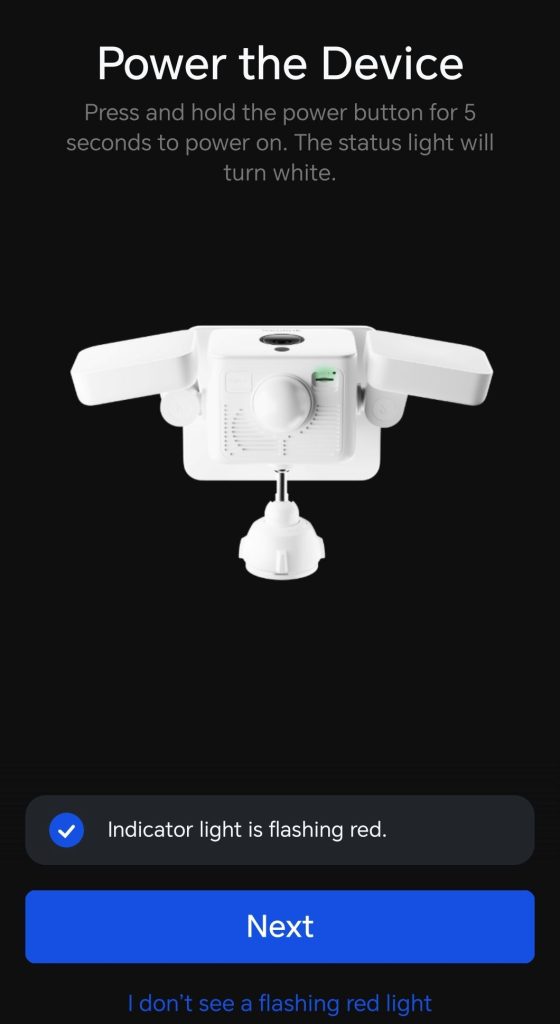
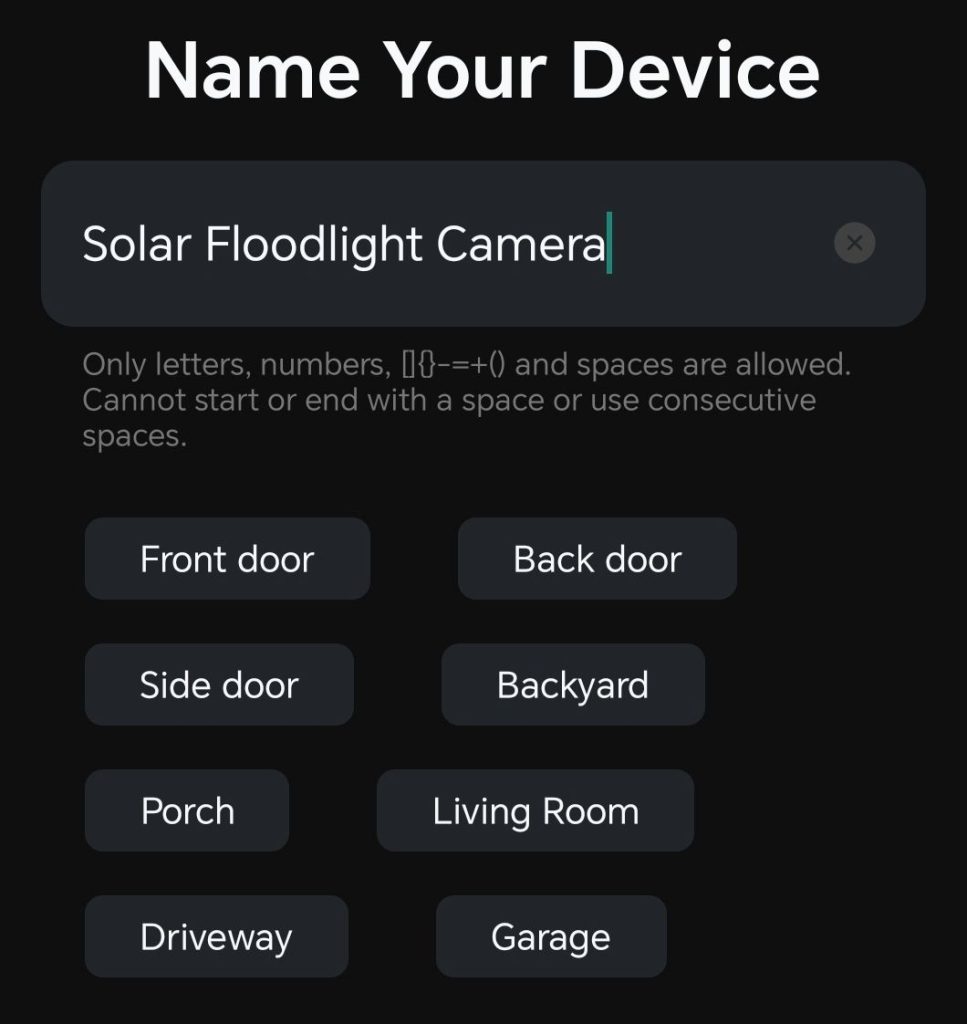
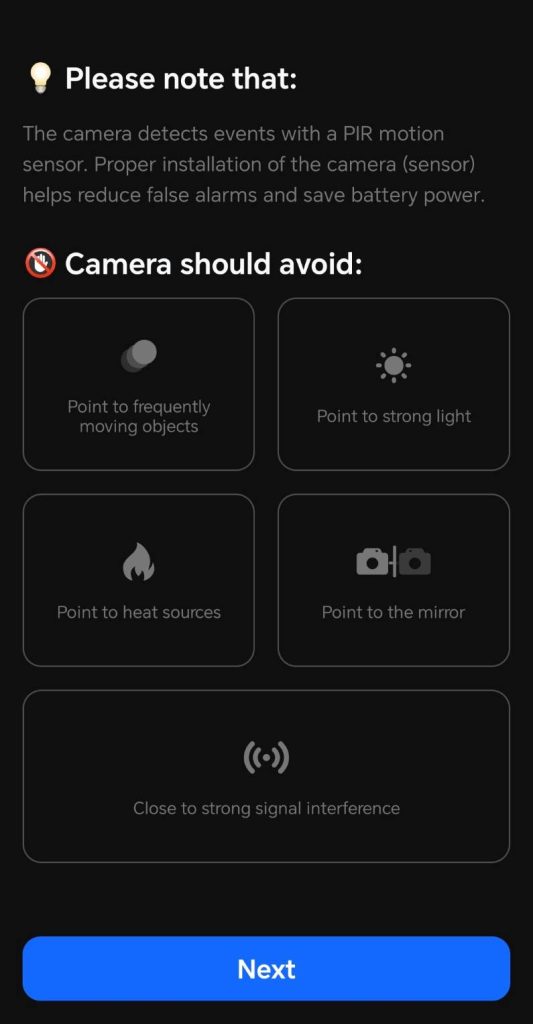
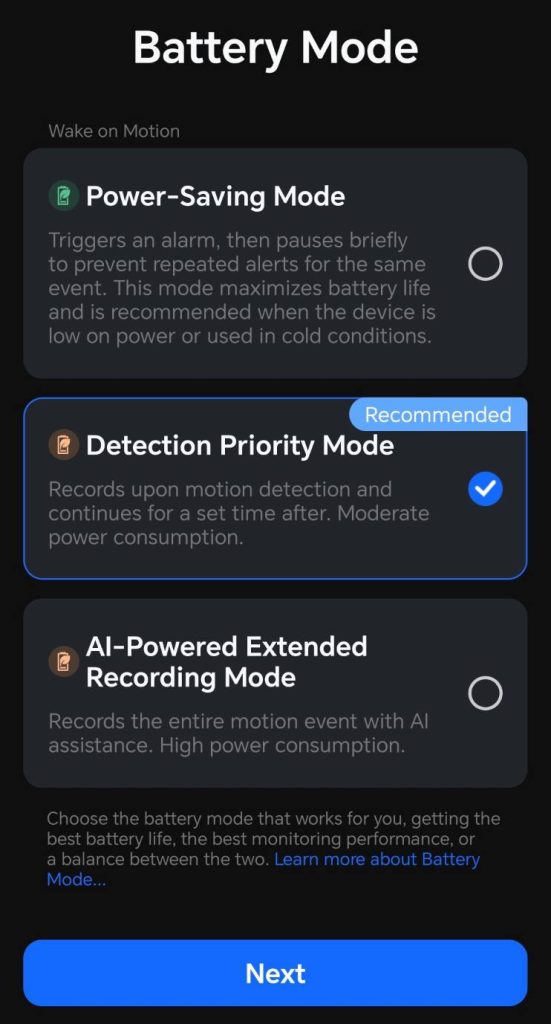
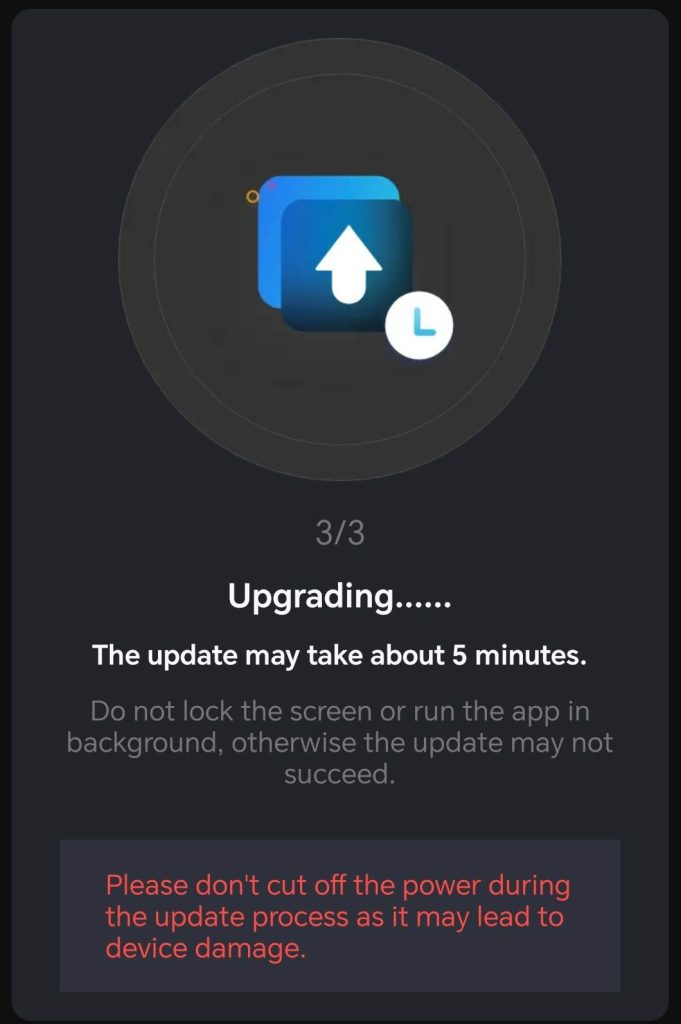
Getting the camera online is an area where Reolink has smoothed out past user pain points. For years, adding a device to a security app meant tolerating a speaker loudly blaring setup updates in multiple languages. Reolink has replaced this with a polite, localised audio chirp indicating the device is ready to pair.
Mounting Steps
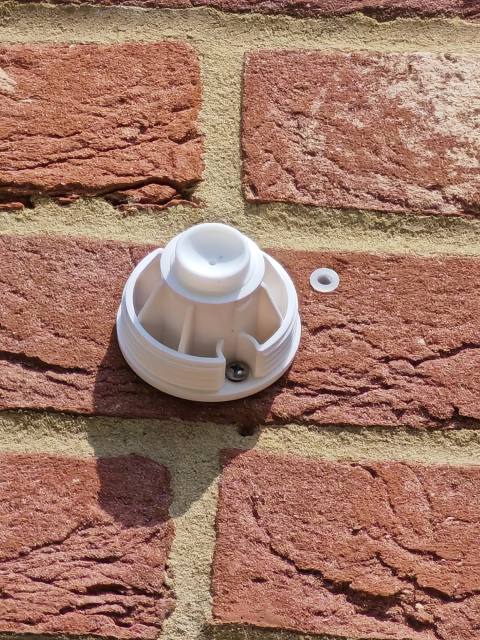
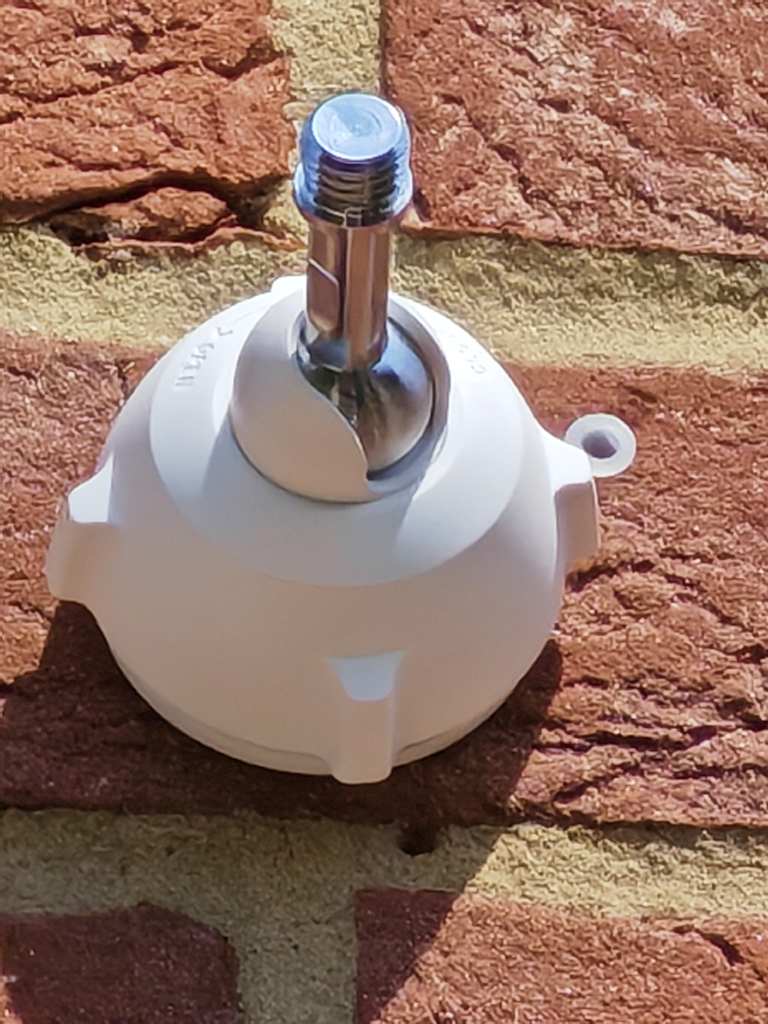
The actual physical mounting takes roughly five to ten minutes:
-
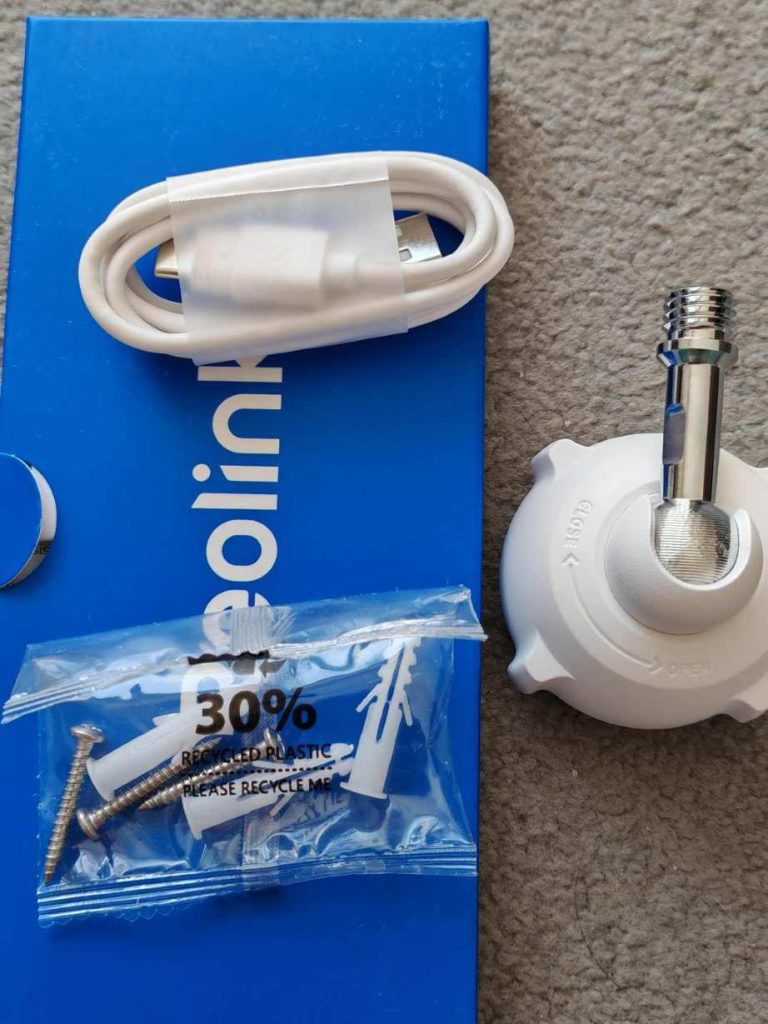
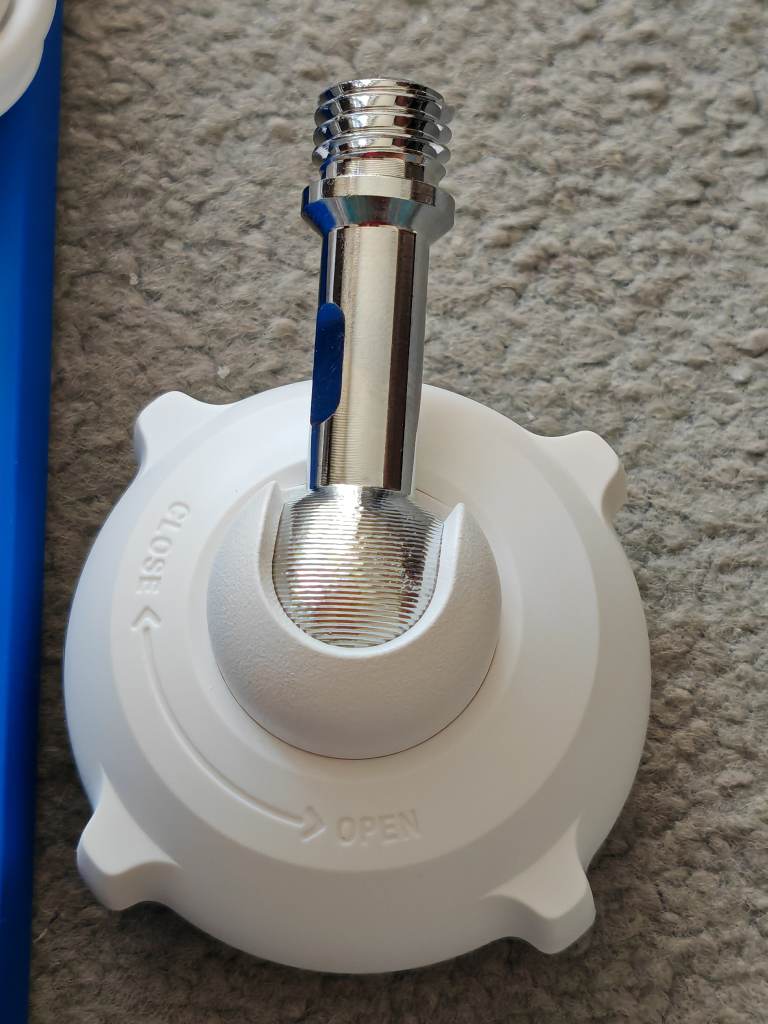
Fasten the heavy-duty mounting plate to a flat wall, garage fascia, or fence post via two screws.
-
Thread the camera chassis onto the central ball-joint arm.
-
Loosen the arm using the included custom hex mounting wrench, articulate the lens toward your preferred target zone, and lock it down.
Once secured, the joint holds firmly against strong wind shear. However, it’s worth noting that because the solar panel is moulded flat to the top of the unit, aiming the camera lens downwards concurrently changes the angle of the solar array. This introduces configuration choices that depend heavily on your home’s orientation.
Power Dynamics: SolarEase Technology and Battery Reserves
The foundation of any wireless camera system rests on energy budgeting. A floodlight that draws down its battery to empty within three days of cloudy winter weather is of little use. To solve this, Reolink relies on two key components: a large battery and a highly efficient solar panel.
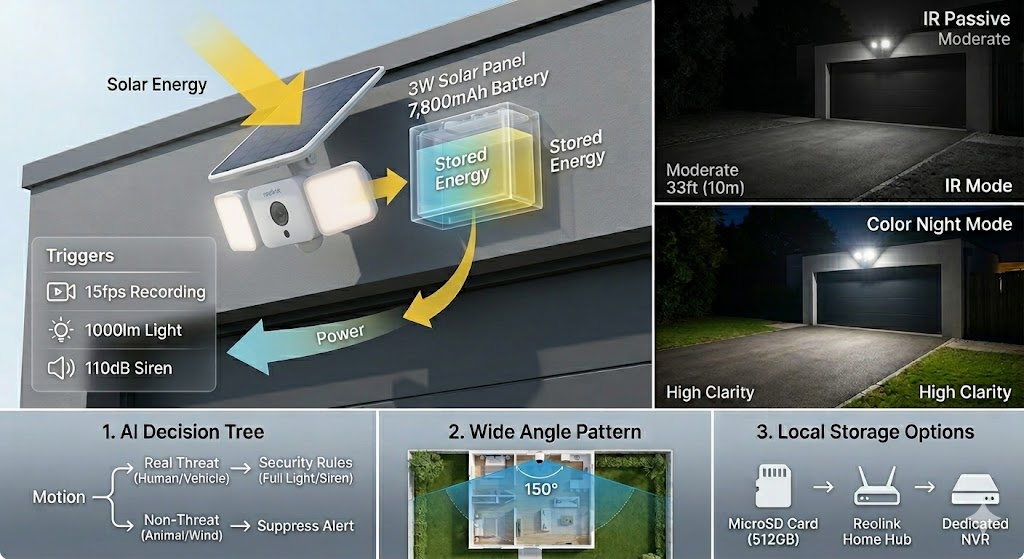
Most aftermarket solar panels packaged with consumer security kits operate around an 18% to 21% photoelectric conversion rate. The SolarEase system pushes this to roughly 26%. This means the solar cells extract more wattage out of weaker, ambient, or partially diffused sunlight.
In real-world testing conditions, if the solar array receives roughly one single hour of clean, unshaded daylight, it generates enough energy to completely cover standard round-the-clock monitoring, background standby, and several night-time floodlight triggers. During periods of heavy winter overcast or prolonged stormy weather, the deep 7,800mAh battery reserve steps in.
Battery Life Note: In total darkness with zero solar input, the system can last up to 90 days. However, this estimate assumes conservative triggering. If you point the camera at a sidewalk where it fires the 1,000-lumen LEDs fifty times a night, you will deplete the cells significantly faster.
The companion mobile app includes an integrated power analysis utility. It monitors battery drain versus solar harvesting rates, though it requires a multi-week data logging window to calculate true efficiency trends for your specific location.
Optical Quality: Evaluating the 2K 150° Lens
The optical system pairs a 1/3″ CMOS sensor with a wide-angle fixed lens, producing a 2K (2560 x 1440) picture. While marketing campaigns frequently highlight 4K options, packing a 4K resolution sensor into a budget-conscious, battery-operated platform often hurts low-light sensitivity by reducing individual pixel size. The choice of 2K here strikes an effective middle ground.
Daytime Performance
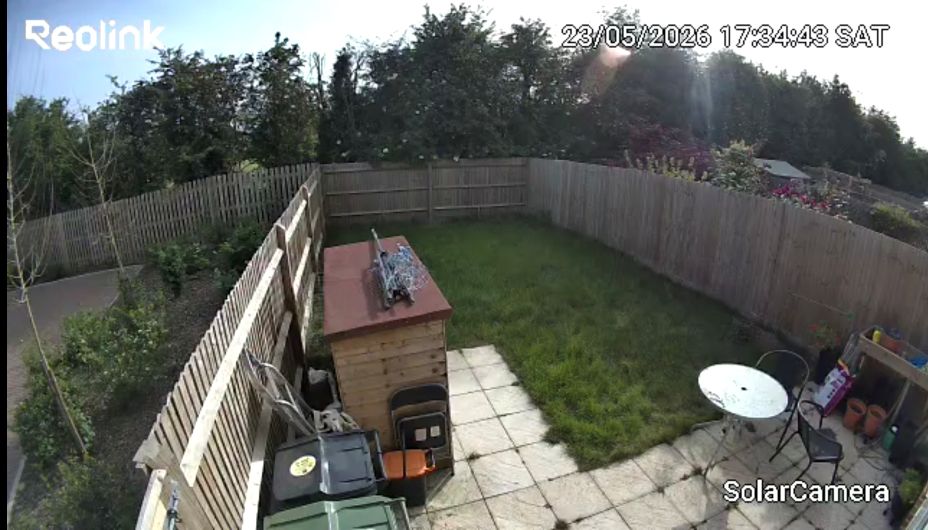
Daytime video showcases accurate colour rendering, sharp contrast balance, and clean exposure management. The 150° diagonal field of view is expansive, allowing a single camera placed above a garage door to capture both the immediate driveway and a side service entrance.
However, because the lens is fixed, there is no mechanical pan-and-tilt capability. Zooming in relies entirely on digital cropping. While 2K lets you punch into an image across short distances, zooming in on targets past 30-40 feet reveals noticeable pixelation.
The 15fps Threshold Constraint
The camera locks its mainstream video capture to a maximum of 15 frames per second. In static or slowly evolving scenes, 15fps is perfectly serviceable. However, if an individual sprints across the yard or a car passes quickly through the frame, the low frame rate can introduce motion blur. If your primary goal is reading license plates off fast-moving vehicles at long distances, this frame rate limitation is an important factor to keep in mind.
Nighttime Video Performance and Floodlight Integration
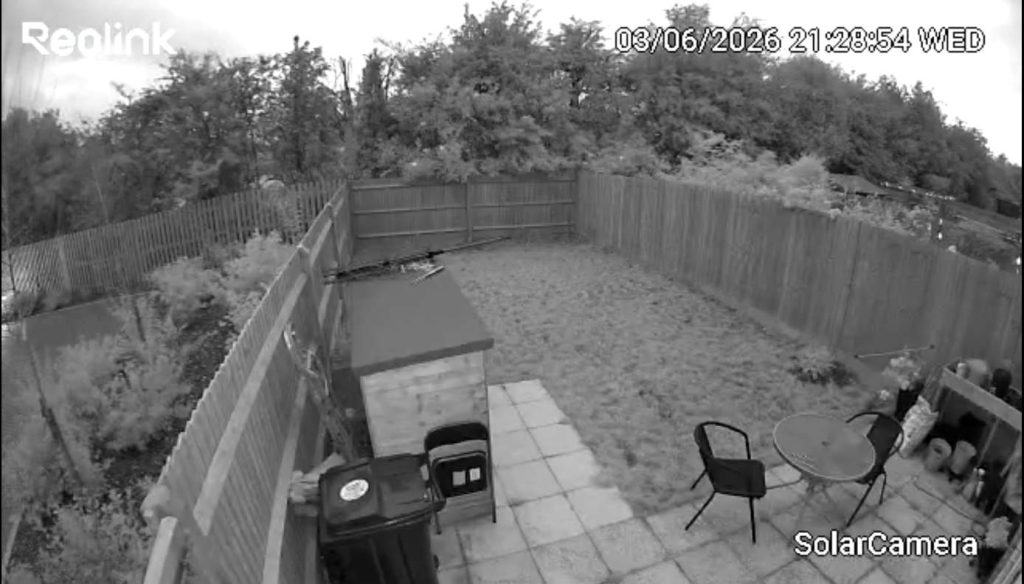
Security needs escalate dramatically when the sun goes down, and this is where the system’s dual capabilities become evident. The camera handles night monitoring in two distinct ways:
1. Passive Infrared Mode (IR)
In complete darkness without the floodlights enabled, the camera relies on a single 850nm infrared LED that illuminates a distance of up to 33 feet (10 meters). The monochrome IR image delivers clean, basic situational awareness, but fine facial textures or dark fabric contrasts tend to flatten out.
2. Active Colour Night Vision
The optical performance changes significantly when the motion sensor trips the dual floodlights. The 1,000-lumen output immediately floods the scene with white light, allowing the 1/3″ sensor to drop its gain and deliver crisp, full-colour video.
Tunable Temperature (3000K – 6000K)
A unique feature typically reserved for premium, mains-powered fixtures is the tunable colour temperature. Users can adjust this setting dynamically via a slider inside the smartphone app:
-
6000K (Cool White): Delivers a crisp, stark light profile that maximises contrast for facial recognition and serves as an effective visual deterrent.
-
3000K (Warm White): Softens the light output, turning the camera into an ambient light source suitable for pathways or patios without washing out the area in industrial-style lighting.
Edge Intelligence: Localised AI Processing
To protect battery reserves from unnecessary consumption, the camera avoids sending video files to a remote server for cloud analysis. Instead, all algorithmic processing happens locally on the device’s silicon engine.
The on-board AI filters incoming motion events into three distinct threat categories:
-
-
Humans
-
Vehicles
-
Animals
-
The user configuration controls how the system responds to each category. For instance, you can program the system so that if a deer walks across your lawn, the camera silently logs a thumbnail clip to the storage card without illuminating the floodlights. If a person steps onto the driveway, the camera can execute its full defensive protocol: activating the 1,000-lumen lights, triggering the 110dB siren, and sending a high-priority push notification to your phone.
Local Storage Options vs. Subscription Models
One of the camera’s strongest advantages is its subscription-free local storage model. Many competitors sell affordable hardware but require a recurring monthly fee to view recorded clips or access AI recognition features. Reolink keeps all core features open and accessible out of the box.
Users have three primary ways to manage their video data locally:
-
On-Board MicroSD Card: The camera supports cards up to 512GB directly in its weather-sealed slot.
-
Reolink Home Hub / Home Hub Mini: This configuration links the camera wirelessly to a central storage hub kept safely inside the house. If an intruder damages or steals the physical camera, your recorded footage remains secure on the indoor hub.
-
Dedicated Wi-Fi/PoE NVR: For comprehensive security setups, the camera can stream directly to a network video recorder for centralised management alongside your other cameras.
Wi-Fi 6 Integration: Range, Throughput, and Real-Time Latency
High-resolution wireless streams depend heavily on solid network connectivity. The camera features a Dual-Band Wi-Fi 6 radio operating across both 2.4 GHz and 5 GHz spectrums, bringing several network improvements over older Wi-Fi 5 configurations:
-
Orthogonal Frequency-Division Multiple Access (OFDMA) optimises data scheduling, helping the camera maintain a stable connection even on crowded home networks with dozens of active smart devices.
-
Target Wake Time (TWT) allows the camera’s wireless radio to sleep efficiently and wake up instantly when motion is detected, conserving power while reducing connection lag.
-
WPA3 Security Encryption: Upgrades wireless protection to the latest security standard, shielding your local camera feed from unauthorised interception.
When checking the live stream via the app, users can choose between two viewing modes. The Fluent mode defaults to a compressed 640×368 resolution, which is ideal for quick checks over weak cellular connections. Switching to Clear mode unlocks the full 2K stream, letting you take advantage of the Wi-Fi 6 bandwidth to inspect fine details with minimal latency.
Considerations and Drawbacks
Despite its versatility, the camera has a few design compromises worth noting before installation:
-
Fixed Solar Panel Placement: Because the solar panel is attached directly to the top of the chassis, it cannot be angled independently from the lens. If you mount the camera on a north-facing wall under a roof eave, the panel may struggle to receive direct sunlight, requiring you to carefully plan your installation spot.
-
Accessible MicroSD Card Slot: The local memory card slot sits on the underside of the main housing. While protected from weather by a thick rubber flap, it remains physically accessible. An intruder who notices the camera could potentially remove the card to destroy local footage, making the Reolink Home Hub or NVR storage options a smart upgrade for high-risk areas.
-
15fps Frame Rate Limitation: The capped 15fps recording frame rate can struggle with fast-moving subjects. While excellent for general area monitoring, it won’t deliver the smooth, high-speed capture found on premium, hardwired security systems.
Final Thoughts: Who is this Camera For?
The Reolink Solar Floodlight Cam excels as an affordable, self-sustaining perimeter guard. It eliminates the need for complicated electrical wiring or ongoing subscription payments, offering a dependable option for monitoring detached garages, dark side yards, or property treelines.
By combining energy-efficient solar tech, adjustable dual-colour floodlights, and reliable on-device AI filtering, Reolink has created a highly practical “set-and-forget” security solution that balances cost, features, and everyday performance.
TNC Score
4.2/5.0
More stories